

What happens when a Swedish entrepreneur in Barcelona and a visionary in Malta both decide that lugging plastic water bottles is a relic of the past? A revolution in how we hydrate.
Summary
This article is for every resident in Malta who is tired of the “supermarket run” for water. You will learn about the global origins of Tappwater, how it was inspired by environmental research, and why over 7,000 Maltese households have now ditched plastic for good.
Key Points
- How a National Geographic feature sparked the idea for a plastic-free future.
- The shared vision between Magnus Jern (Barcelona) and Phil Richards (Malta).
- Why Malta’s specific water challenges make Tappwater a local necessity.
- The math behind the switch: Saving money and the environment simultaneously.
Contents
The Spark: A Swedish Vision in Barcelona
The story of Tappwater didn’t begin in a laboratory, but with a simple, frustrating observation. Magnus Jern, a Swedish entrepreneur living in Barcelona, found himself faced with a dilemma common to many Mediterranean residents: the tap water was safe to drink, but the taste was off-putting. Like many, he fell into the trap of buying heavy plastic carafes and bottles.
His "breakthrough moment" came after engaging with environmental insights highlighted by the publication National Geographic, which illustrate the devastating impact of single-use plastics on our oceans. Magnus realized that people weren't buying bottled water because they wanted the plastic; they were buying it because they didn't trust their taps. He set out to create a high-tech, simple solution that would empower people to "unlock the pure potential" of their own home supply.
The Malta Connection: Phil Richards Meets Magnus
While Magnus was transforming the hydration habits of Spain, Phil Richards was observing the exact same pain points in the Maltese islands. In Malta, the "physical burden" of buying plastic bottles is even more pronounced. Between the heat of summer, the narrow streets, traffic and the stairs of traditional townhouses, lugging six-packs of 2L bottles is an exhausting chore.
Phil approached Magnus with a clear mission: to make clean water affordable and effortless for every household in Malta. He saw that Magnus’s success in Barcelona—driven by a desire for trust, better taste, and less waste—resonated perfectly with the Maltese public. The concerns were identical. Residents were skeptical of tap water, inundated with offers of "free" supermarket water and realising that there must be a better way.
In 2020, Tappwater Malta was officially launched. What started as a shared vision between two entrepreneurs has grown into a community of over 7,000 households across Malta and Gozo.
Why Malta Made the Switch
Malta presents a unique "angle" when it comes to water. Our tap water contains high mineral content which is healthy, but the taste is often inconsistent, and the presence of limescale can be a nuisance for appliances.
Tappwater’s filtration technology, specifically the Activated Carbon Block made from coconut shells, was the solution the Maltese audience was waiting for. It inhibits limescale while maintaining those healthy minerals and came at a cost well below that of traditional reverse osmosis units that had become a common accessory in Maltese kitchens over the years.
As one local customer, J. Caruana, shared: "We have stopped buying bottled water because the filtering makes tap water taste pleasant. I noticed an improved taste even when using filtered water for tea or coffee."
The Impact: 7,000 Households and Counting
Since 2020, the growth has been phenomenal. Winning the "Premju Servizz bi Tbissima" in 2023, as voted for by customers, proved that Tappwater isn't just a product—it's a service people trust.
The transformation for a typical Maltese family is significant. By switching to a filter like the EcoPro, the average family avoids using 600 plastic bottles and saves approximately €236 per year. In a climate where inflation is eating away at incomes, moving away from bottled water—which is 10X more expensive than Tappwater—is one of the easiest ways to reclaim the household budget.
Real Stories from the Tappwater Community
The success of Tappwater in Malta is best told through the voices of those who use it every day. Over 400 customers have shared their personal break throughs with Tappwater over the years.
Louise, a resident who moved to Malta, highlighted the lifestyle change: "After moving to Malta, I constantly felt stressed about recycling bottled water... Using a water filter has made my life so much easier, happier, and simpler, and I've saved a lot of money."
Another customer, Siovhinn, noted the convenience: "I am so happy and I have water on TAPP all the time now. I am saving money every day. I recommend this product; it is a must for your home."

Conclusion: A Sustainable Future for the Islands
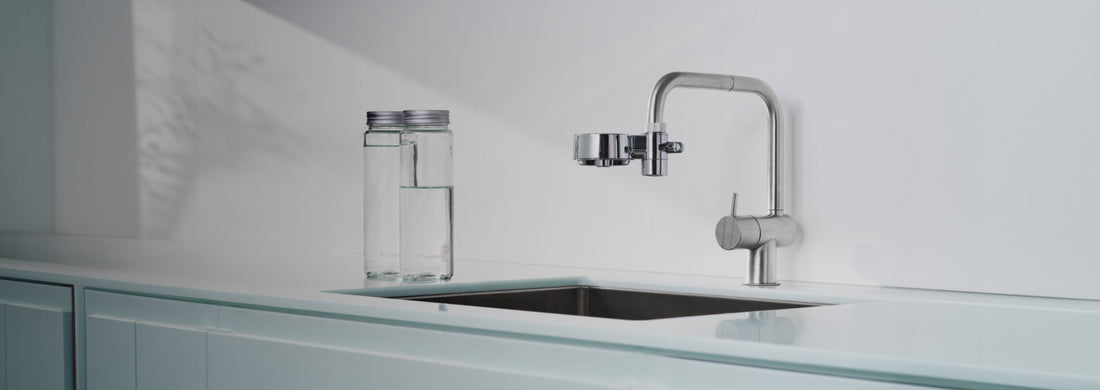
From the initial inspiration in Barcelona to the thousands of kitchens in Malta today, the goal remains the same: sustainable, delicious, and affordable hydration. Whether you choose the best selling EcoPro faucet filter , the newly designed EcoPro Chrome SMR, or the elegant PitcherPro glass jug, you are joining a movement that protects the Mediterranean Sea while making your daily life just a little bit easier.
Sources: The Swede who wants to drink tap water in Spain: he created a startup to eradicate water jugs
7 FAQs About Tappwater in Malta
Does Tappwater work with Malta’s hard water?
Yes. Our filters are specifically designed to inhibit limescale while keeping the healthy minerals found in Malta's water.
Is it easy to install?
Absolutely. Most of our filters, like the EcoPro, take less than a minute to fit with no tools required. We provide "Malta-Fit" adapters for local taps.
How much money can I really save?
The average Maltese family saves about €236 a year and the system typically pays for itself within 3 months.
Is there a government grant available?
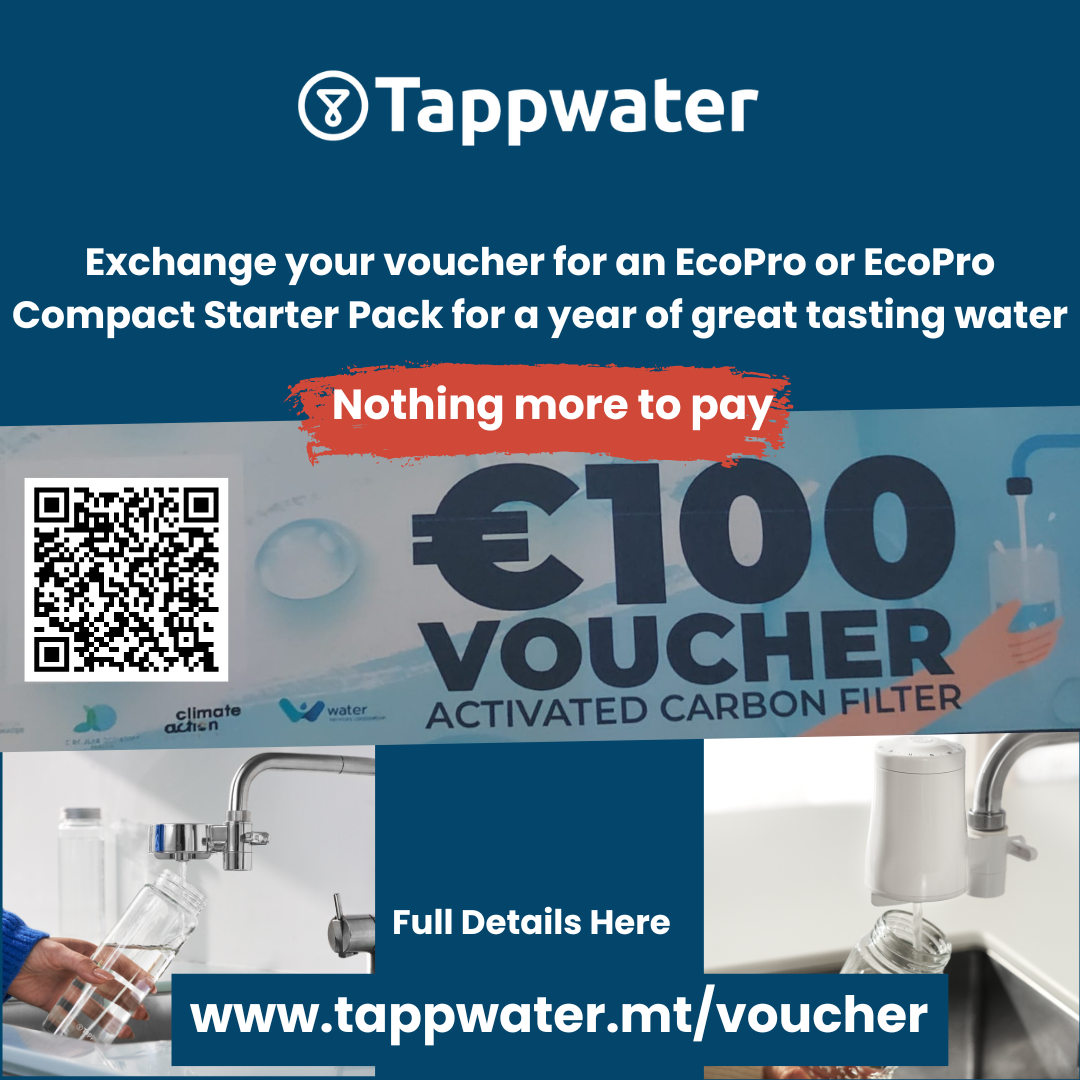
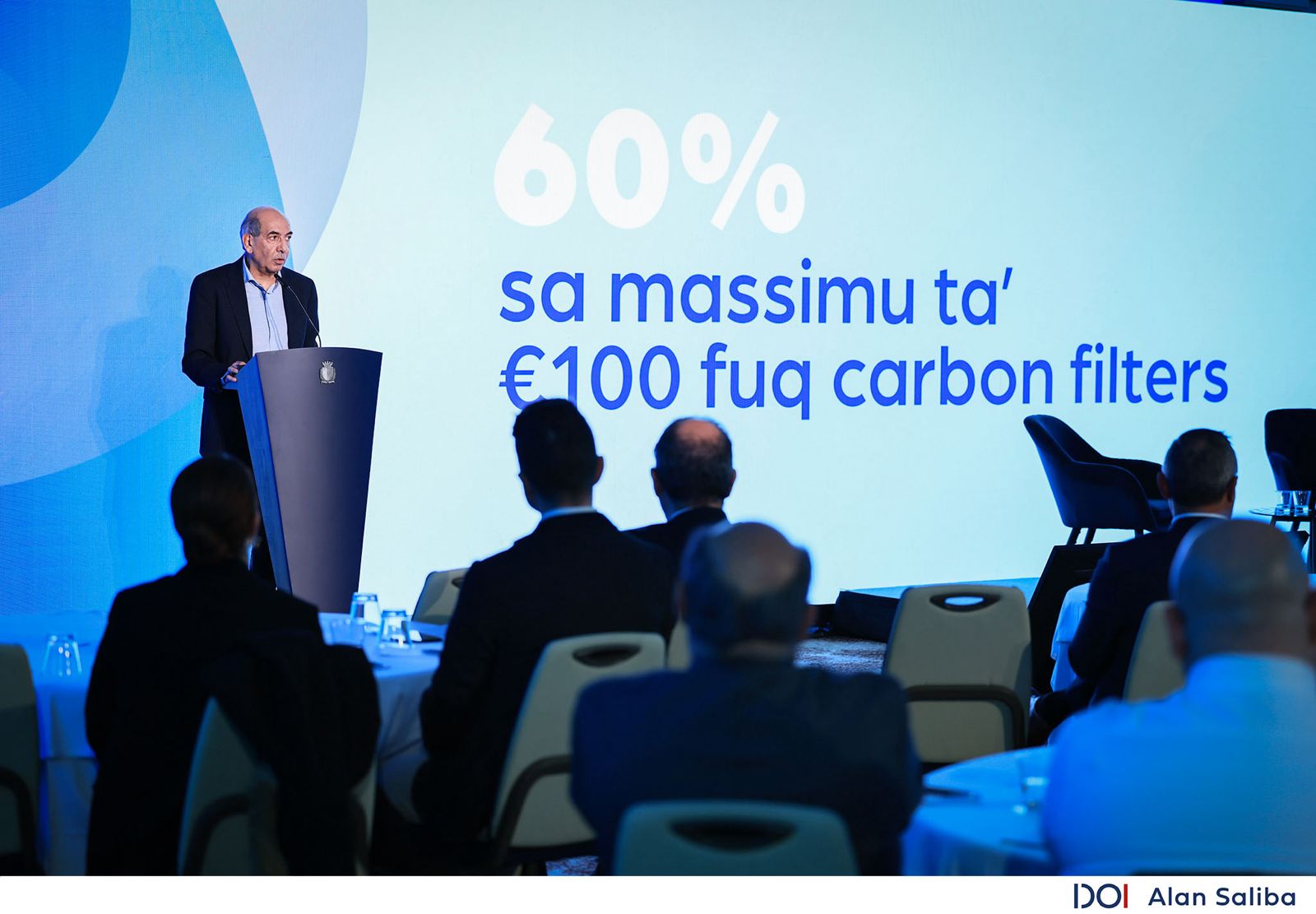
Yes! Homeowners in Malta can apply for a government grant of up to 60% on Activated Carbon Block water filtration systems.
What contaminants does it remove?
Our filters remove 99% of chlorine, lead, microplastics, and over 100 other contaminants common in tap water.
How often do I need to change the filter?
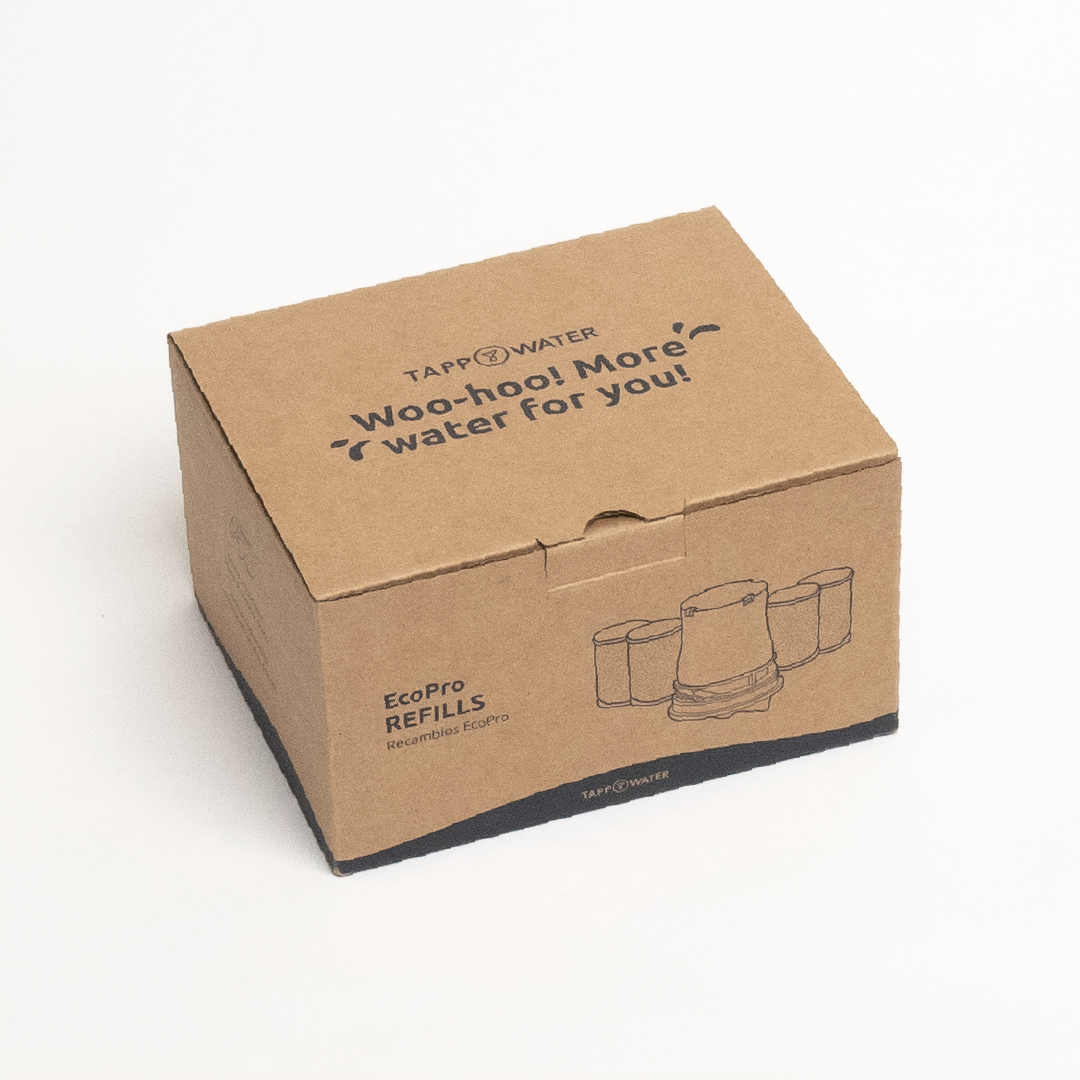
Depending on the model, refills usually last between 2 to 3 months (up to 1,200L).
What if I don't like the taste?
We offer a 45-day "Taste Guarantee." If you aren't happy for any reason, you can return the product for a full refund.


![[WATCH] Tappwater Tales #1: The importance of water quality for horses in Malta](http://tappwater.mt/cdn/shop/articles/20260804.BalanceEQ_a4a7d1fe-e264-409a-b1ca-9410c7aadefc.png?v=1785829811&width=1080)


![[WATCH] Malta's Tap Water Challenge: The Tappwater Solution. A Look at the Science, the Tests, and the Deliciously Clean Results.](http://tappwater.mt/cdn/shop/articles/Why_We_lab_tested_maltas_water_Sqaure.png?v=1756738451&width=1080)
0 comments