

Are you drinking water or plastic? A growing body of scientific research suggests that if your primary source of hydration comes from a bottle, you are consuming far more than just H2O.
This article is for households in Malta who rely on bottled water and are concerned about the long-term health effects of microplastics. You will learn how the "convenience" of plastic bottles is impacting your body and how you can switch to a safer, more sustainable alternative without sacrificing taste or quality.
Key Takeaways
- The 90,000 Milestone: Daily bottled water drinkers ingest significantly more microplastics than those who stick to the tap.
- Malta’s Specific Struggle: Moving heavy 6-packs and dealing with BCRS returns adds a physical and financial burden to plastic consumption.
- Malta's Climate Effect: Summer heat affects the chemical leaching from plastic bottles into drinking water in addition to microplastic release.
- Advanced Filtration: Tappwater’s carbon block technology is specifically designed to catch particles as small as 1-2 microns, including microplastics.
- Financial Savings: Switching to a faucet filter can save a local family over €230 per year compared to supermarket water.
Contents
- The Scientific Reality of Microplastics
- The Science Behind the Study: Uncovering Global Patterns
- What are Microplastics? And what do they do to the body?
- Why Bottled Water is No Longer Convenient in Malta
- How Tappwater Protects Your Health
- The Math of Moving to Filtered Water
- Common Questions About Water Filtration
The Scientific Reality of Microplastics
Recent studies highlighted by Wired reveal a startling statistic: individuals who drink bottled water on a daily basis ingest approximately 90,000 more microplastics per year than those who drink only tap water. These microscopic particles, often invisible to the naked eye, are shed from the plastic bottle itself or introduced during the industrial bottling process.
For many in Malta, bottled water was long considered the "safe" choice due to the hard water and poor taste of local tap supplies. However, we now know that this "safety" comes with a hidden ingestion of plastic waste. Tappwater advocates for a healthy lifestyle through the consumption of pure and natural water, free from these modern contaminants.

The Science Behind the Study: Uncovering Global Patterns
While individual studies have long warned of plastic contamination, a landmark 2025 review published in the Journal of Hazardous Materials by Sarah Sajedi and her team provides a powerful birds-eye view of the crisis. Rather than conducting a single experiment, Sajedi’s research analyzed a vast body of existing scientific literature to establish clear, undeniable patterns in how bottled water impacts human health.
Findings from the Meta-Analysis By synthesizing data from dozens of international studies, Sajedi identified that the "plastic diet" is far more pervasive than previously thought. The research highlights three critical patterns:
- The Accumulation Effect: The study confirms that the high volume of microplastics found in bottled water isn't just an anomaly—it is a consistent byproduct of the global plastic bottling industry.
- Environmental Triggers: Sajedi’s analysis found that external factors, such as the high temperatures often found during transport or storage in Mediterranean climates like Malta’s, accelerate the breakdown of plastic bottles, leading to higher concentrations of particles in the water.
- The Ingestion Gap: The data consistently shows a massive disparity between those who drink from plastic bottles and those who use filtered tap water, with the former group ingesting significantly higher levels of hazardous materials.
What are Microplastics and What Do They Do to the Body?
To understand the risk, we first have to define the "enemy." Microplastics are tiny fragments of plastic debris, often less than 5 millimeters in length. Sajedi’s review emphasizes the danger of nanoplastics—particles so infinitesimally small they can only be measured in billionths of a meter.
Because of their microscopic size, these particles are "bio-available," meaning they can bypass the body's natural defenses. Current scientific inquiry, supported by the patterns found in Sajedi’s research, highlights several key health concerns:
- Cellular Penetration: Unlike larger particles, nanoplastics are small enough to penetrate cellular membranes. This allows them to enter individual cells and organs, potentially disrupting normal biological functions from the inside out.
- Oxidative Stress: When these particles enter our systems, they can trigger oxidative stress and chronic inflammation. For a family in Malta, this means that the "convenient" water bottle might actually be a source of long-term biological strain.
- Endocrine Disruption: The study highlights the leaching of additives like phthalates and bisphenols (BPA). These are known as "endocrine disruptors," which mimic human hormones and can interfere with everything from metabolism to reproductive health.
Why Bottled Water is No Longer Convenient in Malta
The tide is turning against plastic bottled water in the Maltese Islands. What used to be a simple grocery item has become a logistical headache.
- The Physical Burden: Lugging heavy 6-packs of 2L bottles from the supermarket to your car, and then into your home, is a grueling task, especially for busy parents or those living in apartments without lifts.
- The BCRS Factor: Since the introduction of the Beverage Container Refund Scheme (BCRS), plastic bottles are no longer a "use and forget" item. They must be stored without being crushed and taken back to reverse vending machines to reclaim your deposit, taking up valuable time and space in your kitchen.
- The Cost of Living: With inflation eating into static incomes, spending money on plastic bottles—which are up to 10 times more expensive than Tappwater—is becoming an unnecessary financial strain.
How Tappwater Protects Your Health
Tappwater’s mission is to make clean water effortless for every household in Malta. Our faucet filters use a sophisticated 5-stage microfiltration system that transforms your tap water into a reliable, healthy option.
The core of our technology is the Activated Carbon Block made from coconut shells. Unlike the granular filters found in many jugs, our hard carbon blocks contain micro-pores smaller than 2 microns that filter over 100+ contaminants from tap water.
Stage 3 & 4 (Microfiltration): Our filters stop particles larger than 1 to 2 microns. This specifically prevents microplastics, sediment, and rust from passing through your faucet and into your glass.
Limescale Inhibition: While Malta’s water is rich in healthy minerals, it is notoriously "hard." Our patented formula breaks down ore to prevent lime from forming in your kettle, while keeping those healthy minerals intact.
The Math of Moving to Filtered Water
It's quite normal to ask: "How much will this actually save me?" The data is clear. Tappwater Malta’s own research shows that the average family avoids the use of 600 plastic bottles and saves approximately €236 per year by switching to Tappwater filters with a foxed annual cost of just €69.
| Feature | Tappwater EcoPro | Bottled Water (6-packs) |
| Cost | 10X cheaper than bottled | Expensive recurring cost |
| Convenience | Instant water from tap | Heavy lifting & BCRS returns |
| Microplastics | Filtered out to 1-2 microns | High ingestion risk (90k+ particles) |
| Environmental Impact | 85% less plastic in refills | High plastic waste |
As one of our customers recently shared:
"I was a skeptic at first, but after seeing how easy it was to fit and tasting the difference, I'll never go back to carrying bottles up three flights of stairs again." Amy
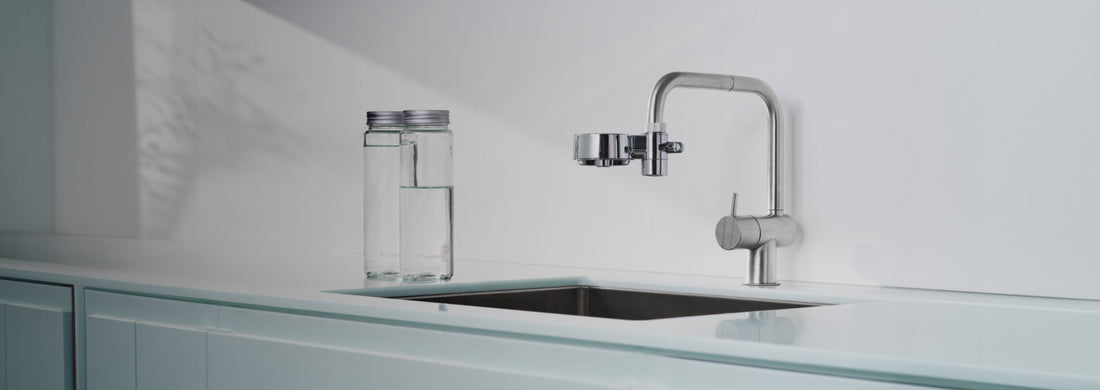
The EcoPro Chrome SMR
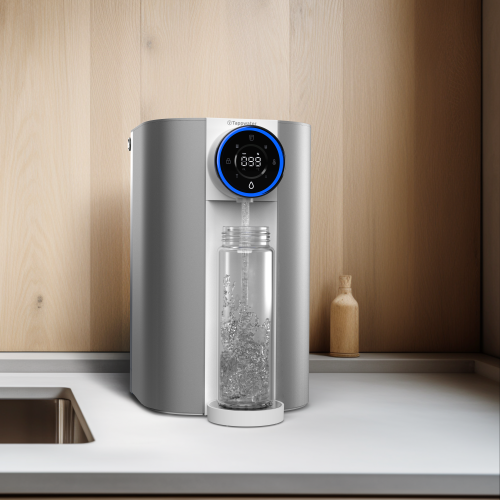
The newest water filter launched in Malta by Tappwater is a 6-stage filtration system eliminating 100+ contaminants from tap water and delivering great tasting water from the kitchen tap. You can read more about this new innovative design here

Five Frequently Asked Questions
1. Does the filter fit my tap in Malta?
Yes. Our "Malta-Fit" installation includes 22mm and 24mm adapters which fit 80% of local kitchen mixers. We also stock over 30 other adapter types to ensure a perfect connection.
2. Is there a government grant for this?
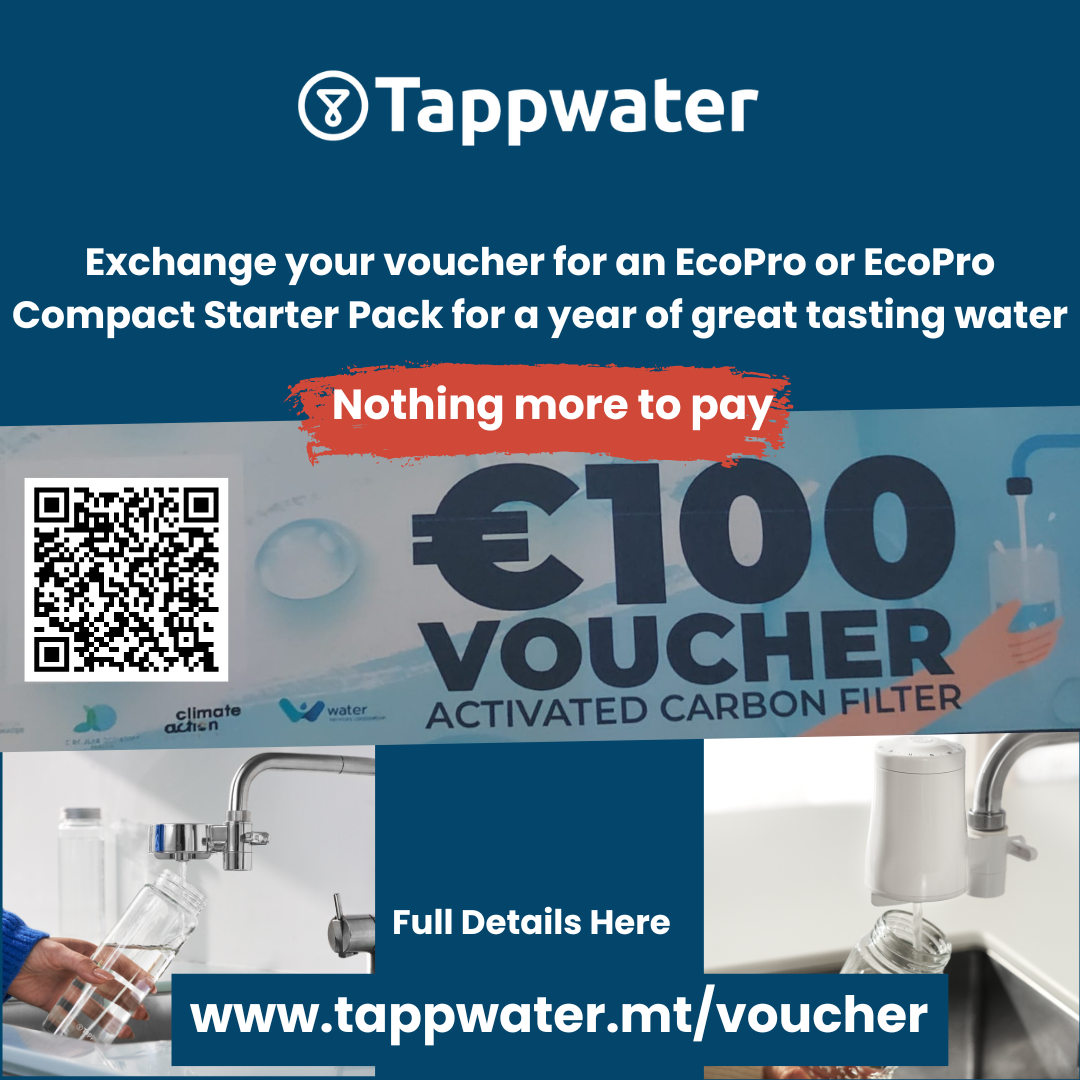
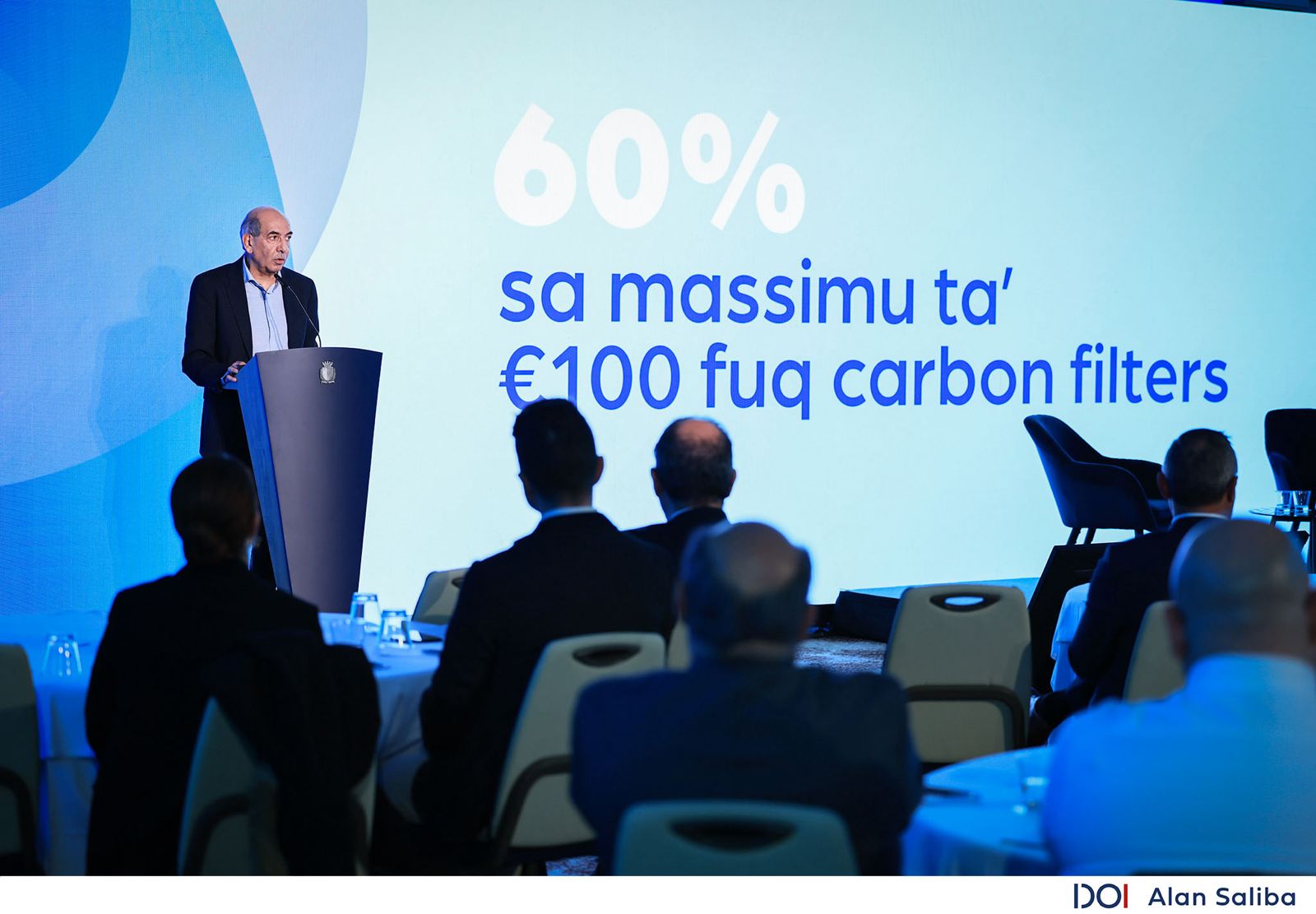
Yes! A Government Grant of 60% is currently available on Tappwater Faucet Filters for eligible homeowners in Malta.
3. How often do I need to change the filter?
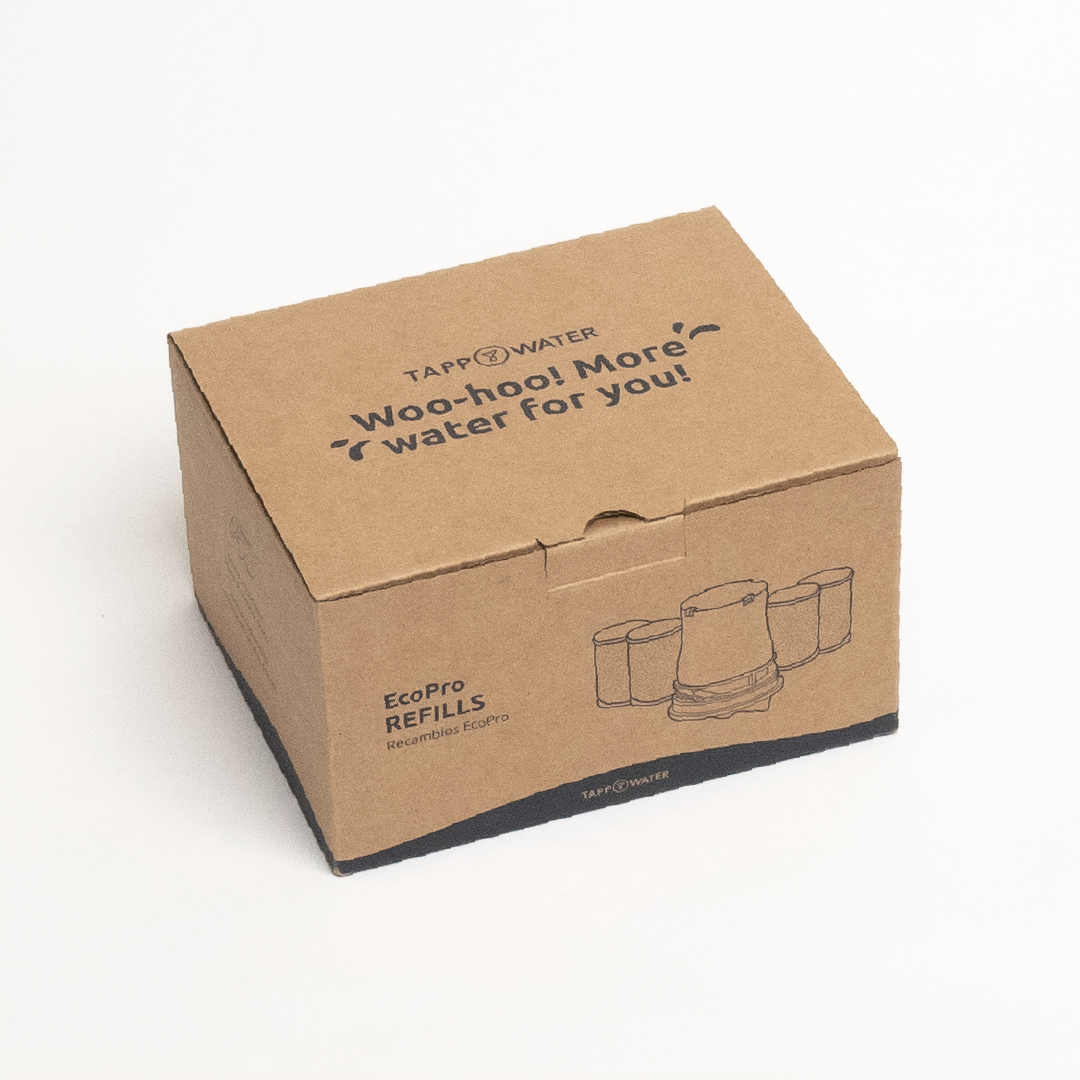
The EcoPro filter lasts for 1,200L, which is roughly 3 months of use for a standard household. The EcoPro Compact is perfect for smaller households, lasting 2 months.
4. What about the taste? Malta’s tap water is usually quite salty.
Tappwater is specifically designed to remove the poor taste and odors caused by chlorine and organic materials. We are so confident you will love it that we offer a 45-day full refund guarantee.
5. Can I take it with me if I move?
Absolutely. Our filters are rental-friendly. They screw onto your existing faucet without permanent modifications, making it easy to take your filter to a new property.
Sources:
Wired: "People Who Drink Bottled Water on a Daily Basis Ingest 90,000 More Microplastics Per Year"
Science Direct: "Unveiling the hidden chronic health risks of nano- and microplastics in single-use plastic water bottles: A review"


![[WATCH] Tappwater Tales #1: The importance of water quality for horses in Malta](http://tappwater.mt/cdn/shop/articles/20260804.BalanceEQ_a4a7d1fe-e264-409a-b1ca-9410c7aadefc.png?v=1785829811&width=1080)


![[WATCH] Malta's Tap Water Challenge: The Tappwater Solution. A Look at the Science, the Tests, and the Deliciously Clean Results.](http://tappwater.mt/cdn/shop/articles/Why_We_lab_tested_maltas_water_Sqaure.png?v=1756738451&width=1080)
0 comments