

Summary
This article explores why activated carbon filtration is the most sustainable and effective choice for households in Malta. You will learn about the science behind Tappwater filters, why they are recommended over wasteful reverse osmosis systems, and how you can save money while protecting our island's precious resources.
Key Points
- Activated carbon removes over 100 contaminants, including 99% of chlorine, lead, and microplastics.
- Reverse Osmosis (RO) systems can waste up to 4 liters of water for every 1 liter produced.
- Malta’s tap water is already treated via RO; adding another RO system at home is often redundant and environmentally harmful.
- Tappwater filters offer an easy DIY installation that takes less than five minutes.
- You can save an average of €236 per year compared to buying bottled water.
Contents
How Activated Carbon works
Many residents wonder if a compact faucet filter is "enough" to handle the unique characteristics of Malta’s hard water. The answer lies in the technology. Tappwater uses an advanced Activated Carbon Block derived from organic coconut shells. An activated carbon block filters in two ways. It is a highly porous material that adsorbs contaminants at a microscopic level and its a physical membrane filter with microscopic pores between 0.5micron and 2 microns to filter out the smallest contaminants..
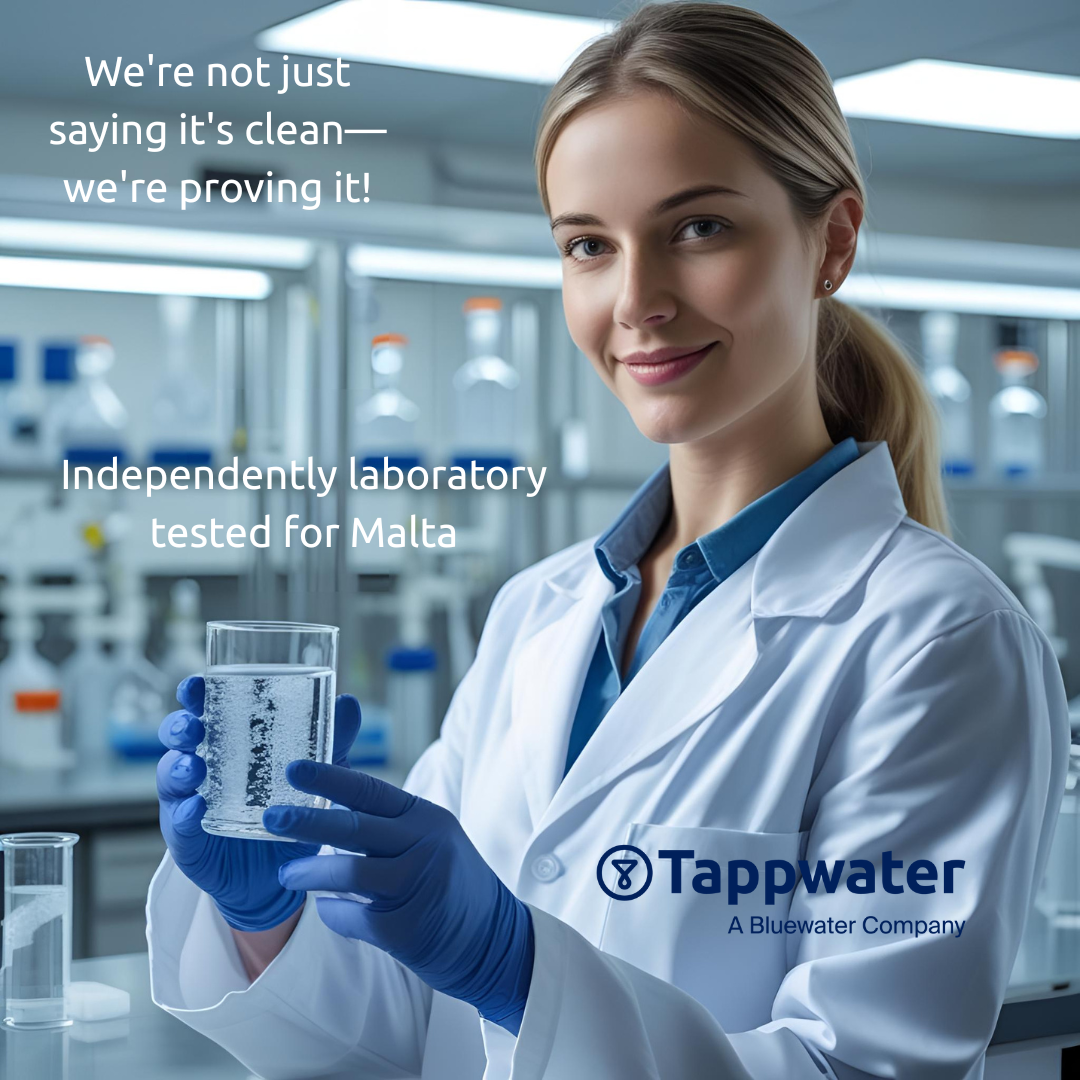
Our filters are independently lab-tested to remove 100+ contaminants commonly found in local pipes, including 99% of chlorine—the main culprit behind that "swimming pool" taste—lead, microplastics, and VOCs. Because it targets the specific impurities that affect taste and safety without stripping away healthy minerals, it transforms tap water into crisp, clean hydration instantly.

The Science of Carbon: Why a Solid Block Beats Granular Filters
Not all activated carbon is created equal. When choosing a filtration system for your home in Malta, the physical structure of the carbon is just as important as the what the material is made of. Most basic filters on the market use the cheaper Granular Activated Carbon (GAC), while Tappwater utilizes an advanced Solid Activated Carbon Block. Understanding the difference is key to ensuring your water is truly safe.
Granular Activated Carbon (GAC) vs. Solid Carbon Blocks
Granular filters consist of loose carbon "grains" (similar to sand or coffee grounds). While effective at reducing some odors, they have a major flaw: channeling. Because the grains are loose, water naturally finds the path of least resistance, pushing the granules aside and creating "channels." This means a significant portion of your water passes through without ever actually touching the carbon, leaving contaminants behind.
In contrast, Tappwater’s Solid Activated Carbon Block is created by compressing fine carbon powder into a dense, uniform structure. Every single drop of water is forced to travel through millions of microscopic pores. There are no shortcuts; the water must interact with the carbon, ensuring maximum filtration.
Why the Solid Block is More Effective for Malta
- Uniform Filtration: The solid block eliminates the "channeling" issue found in granular filters. This ensures that 99% of chlorine and other impurities are removed from every liter of water.
- Physical Barrier (Microfiltration): Because the block is so dense, it acts as a physical barrier. While GAC only uses chemical adsorption, a solid block provides mechanical filtration, physically trapping particles like microplastics, rust, and sediment that are often present in older Maltese piping.
- Minimal Bacterial Growth: Granular filters can sometimes become breeding grounds for bacteria in the spaces between the grains if left unused. The compressed nature of a solid block, combined with our advanced coconut-shell carbon, is much more resistant to this "bio-fouling."
- Consistency: With a solid block, the taste and safety of your water remain consistent from the first day of the filter's life to the last.
This solid activated carbon block technology is what allows Tappwater to be independently lab-tested to remove 100+ contaminants, providing a level of safety that simple "jug filters" or granular systems simply cannot match.
Why RO is not always the best fit for Malta
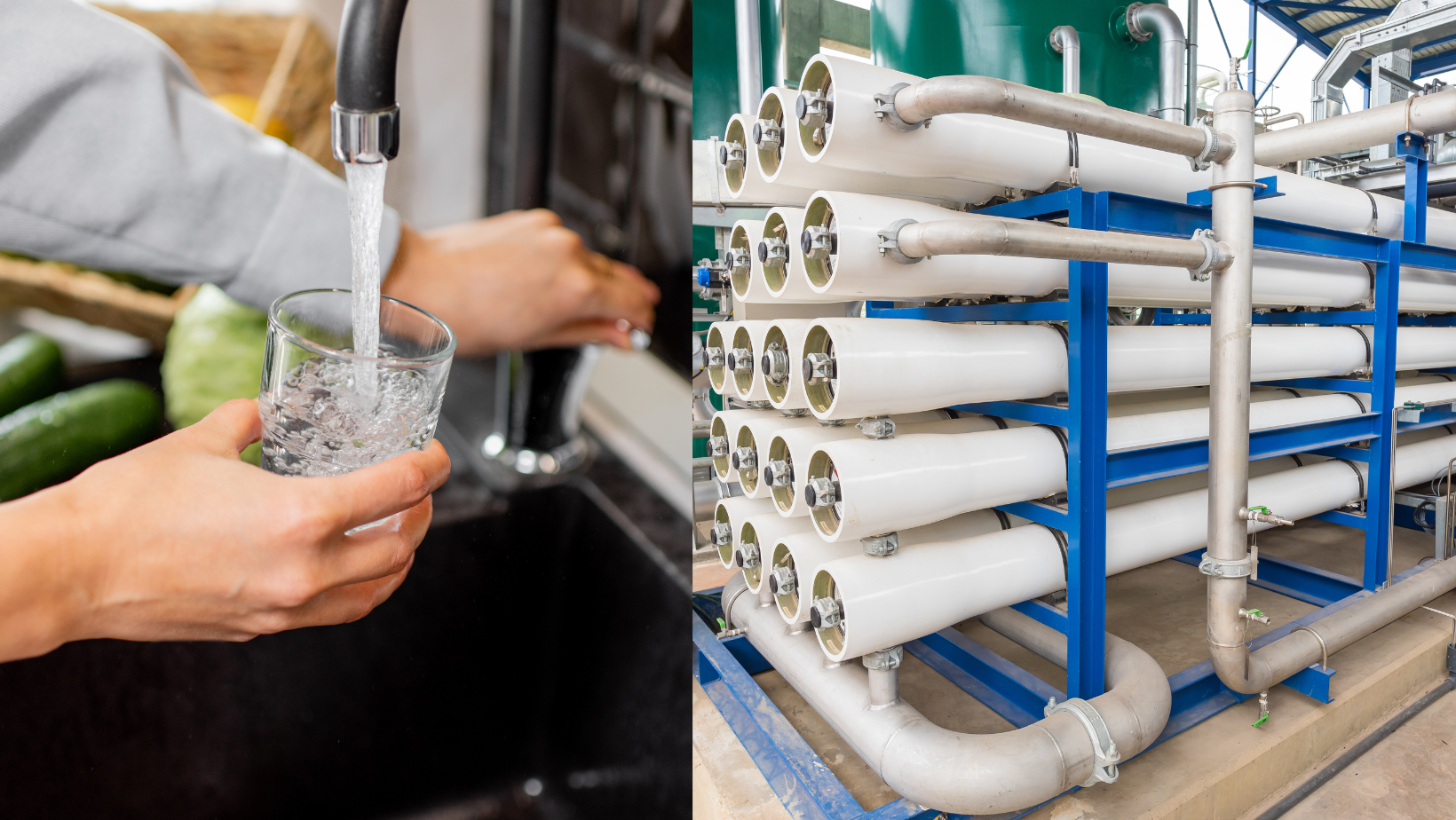
In a country where water is a precious, finite resource, the efficiency of your filtration system matters. While Reverse Osmosis (RO) is a powerful technology, it has a significant "dark side": water wastage. Traditional home RO systems can waste 3 to 4 liters of water for every single liter of drinking water they produce.
The Water Services Corporation often recommends carbon filtration over home RO systems for a very simple reason: your tap water has already been through RO production at the plant. By the time it reaches your home, it is already safe; it just needs a "final polish" to remove the chlorine used for disinfection and any particles picked up from aging distribution pipes. Adding a second RO system at home is often unnecessary and contributes to significant water waste on an island that can ill afford it.
A simple carbon filter is all you need to enjoy great-tasting tap water at home. WSC has already done the heavy lifting with their advanced RO treatment plants, making home RO systems unnecessary. Additionally, home RO systems are more expensive to purchase and waste up to 70% of water during the filtration process, making them both costly and environmentally inefficient.

The Tappwater Advantage: Effortless and Affordable
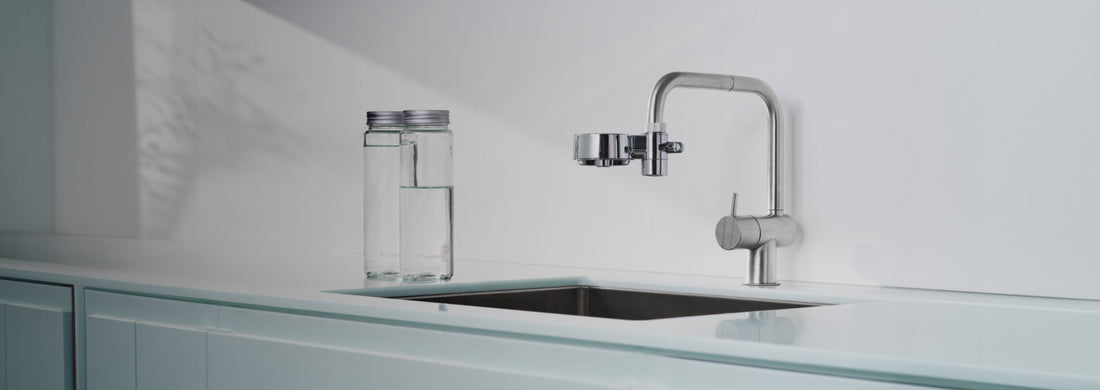
Choosing an activated carbon filter like the EcoPro Compact or EcoPro Chrome SMR means choosing convenience. Unlike bulky RO systems that require professional installation and under-sink space, Tappwater filters feature a universal fitting suitable for mostmixers in Malta.
This includes 22mm/24mm adapters designed specifically for local taps, allowing you to install the system yourself in seconds.
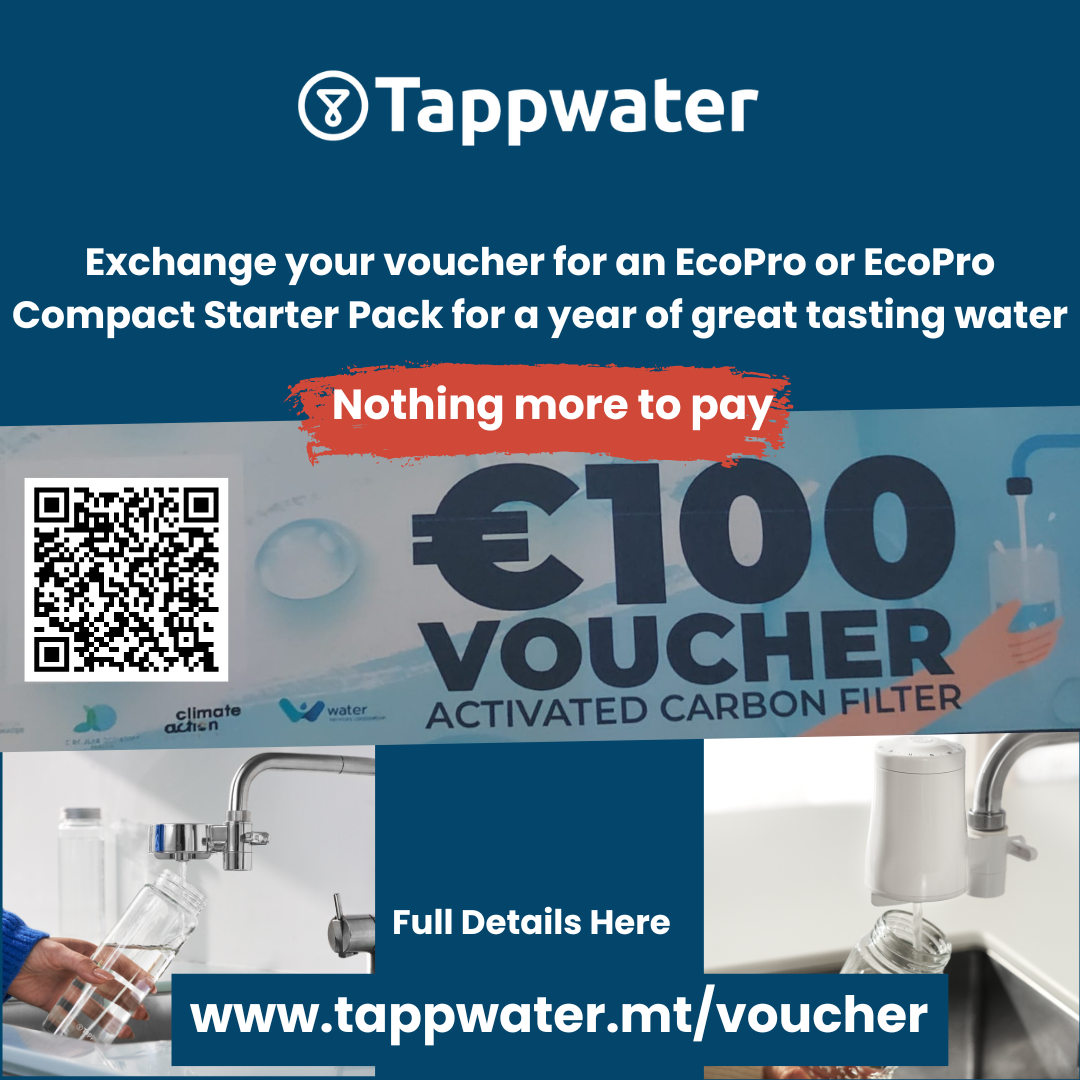
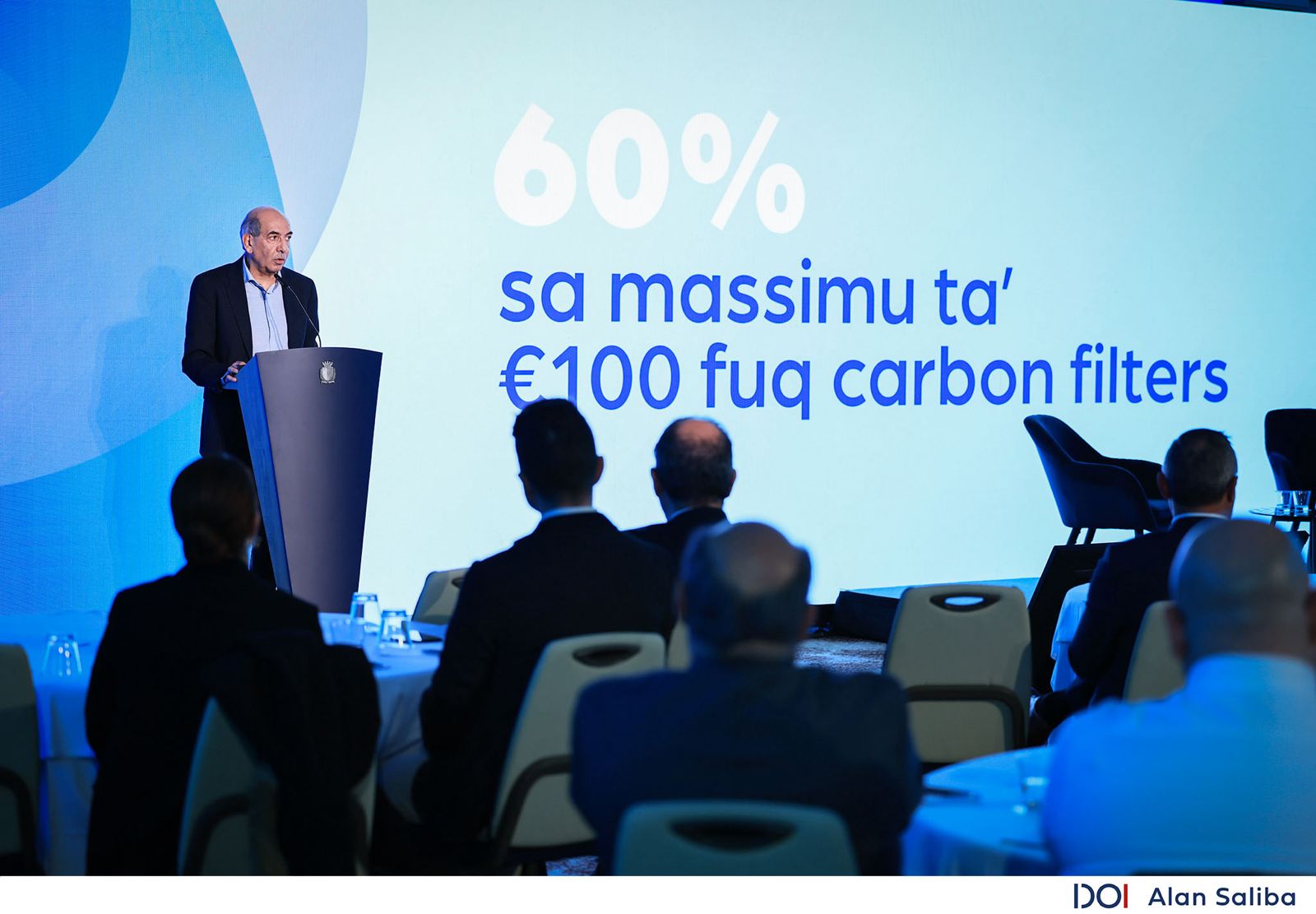
The financial benefits are just as clear. The average family in Malta avoids using 600 plastic bottles and saves approximately €236 per year by switching to Tappwater. Plus, with the 60% Government Grant available for faucet filters, the entry cost is lower than ever.
What Real Customers in Malta Say
Don't just take our word for it. Hundreds of households across Malta and Gozo have already made the switch:
"We have stopped buying bottled water because the filtering makes tap water taste pleasant. I noticed an improved taste even when using filtered water for tea or coffee." – J.C.
"To say I am happy with my new EcoPur Chrome SMR is an understatement. I absolutely love it. Easy installation, within seconds... Great tasting water far better than the local bottled that I was buying." – S.G.
"I decided to acquire the Tapp Water after comparing different products... No water wastage [and] eligible for the Government Grant." – Buy without hesitation (Reviewer)
Summary of Tappwater Faucet Filters
| Product | Capacity | Best For |
| EcoPro Chrome SMR | 1,200L per filter (3 months) | Families wanting 6-stage nano-filtration and modern design. |
| EcoPro Compact | 300 L per filter (2 months) | Great for small households of one or 2 persons |
7 FAQs About Water Filtration in Malta
1. Is Malta’s tap water actually safe to drink?
Yes, it meets all EU safety standards, but the high chlorine content and old piping often affect the taste and smell.
2. How often do I need to change the filter?
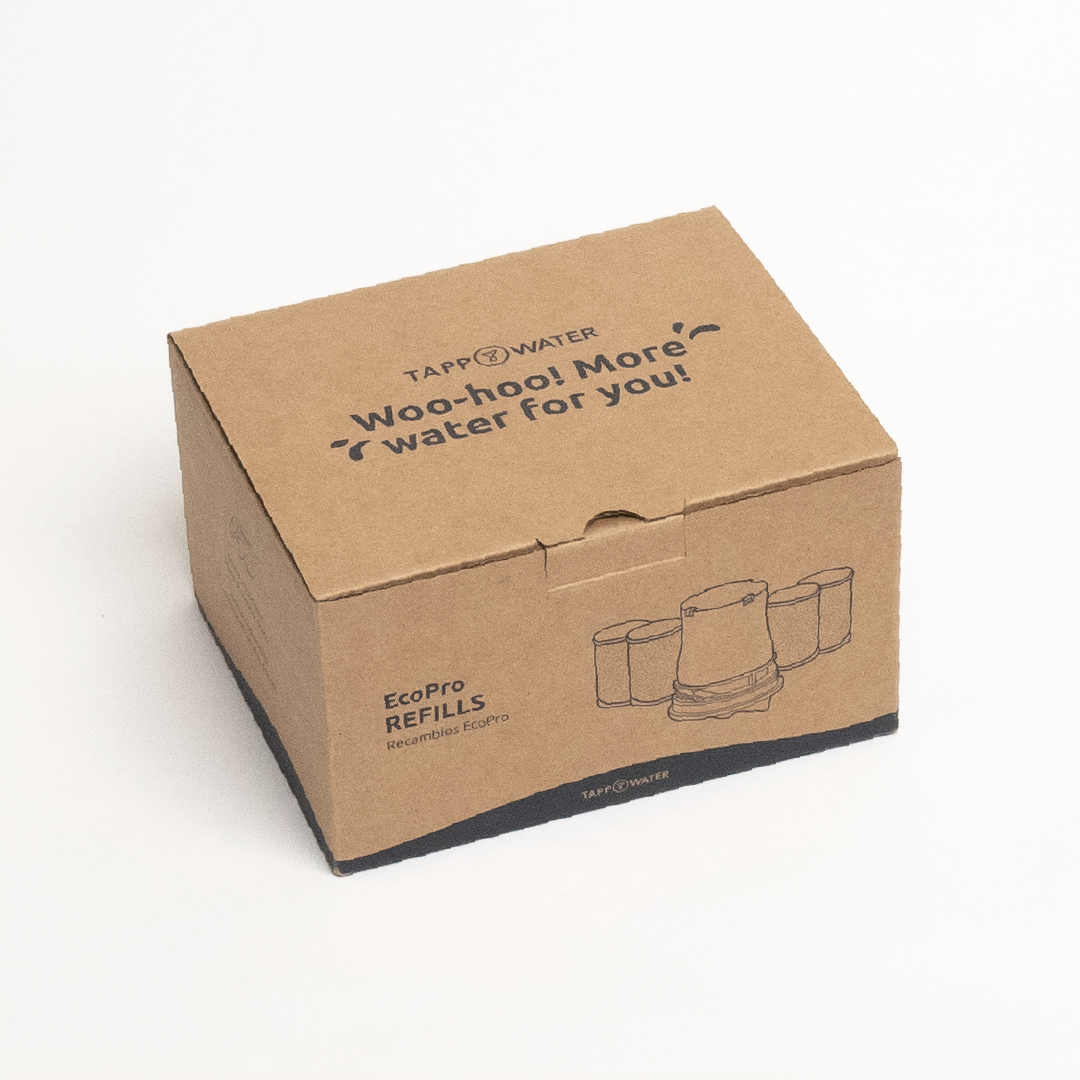
Depending on the model, refills last between 2 and 3 months (300L to 1,200L).
3. Will it fit my kitchen tap?
Yes, our filters come with a standard universal adapter kit that works with almost all local faucets.
4. Does it remove limescale?
Our carbon blocks significantly reduce the perception of "hardness" and scale, making water taste much smoother.
5.How do I apply for the Government Grant?
We provide all the necessary documentation with your purchase to help you claim the 60% refund.
6. What if I don't like the taste?
We offer a 45-day taste guarantee. If you aren't happy, return it for a full refund.
7. Is it better for the environment than bottled water?
Absolutely. One EcoPro filter replaces the equivalent of 600 large plastic bottles.


![[WATCH] Tappwater Tales #1: The importance of water quality for horses in Malta](http://tappwater.mt/cdn/shop/articles/20260804.BalanceEQ_a4a7d1fe-e264-409a-b1ca-9410c7aadefc.png?v=1785829811&width=1080)


![[WATCH] Malta's Tap Water Challenge: The Tappwater Solution. A Look at the Science, the Tests, and the Deliciously Clean Results.](http://tappwater.mt/cdn/shop/articles/Why_We_lab_tested_maltas_water_Sqaure.png?v=1756738451&width=1080)
0 comments