

Could the simple act of drinking from a plastic bottle be sabotaging your chances of starting a family?
Summary
This article is for couples in Malta struggling with unexplained infertility and health-conscious residents concerned about the hidden impact of endocrine disruptors. You will learn about the startling link between plastic chemicals and reproductive health, the "90-day window" for detoxification, and how to protect your home using the insights from leading experts and the new documentary, The Plastic Detox.
Key Points
-
Endocrine Disruptors (EDCs): Chemicals like BPA and phthalates mimic hormones, interfering with reproductive health and sperm quality.
-
The 90-Day Window: Because it takes roughly 70 days for the male body to produce new sperm, a three-month "detox" is critical for measurable results.
-
The Impact of Heat: In Malta’s climate, plastic bottles are prone to leaching chemicals; filtration at the source is the safest alternative.
-
Expert Consensus: Leading scientists argue that environmental factors, not just genetics, are driving the global decline in fertility.
Contents
- The "Invisible" Threat to Fertility
- Insights from the Experts: Dr. Shanna Swan and Sian Sutherland
- The 90-Day Challenge: Can You Really Detox?
- Protecting the Next Generation: The Plastic Free Babies Campaign
- Practical Steps for the Maltese Household
- Why Filtration Beats Bottled Every Time
- FAQs On Infertility and Baby Health
The "Invisible" Threat to Fertility
In a compelling interview exploring the surge in reproductive health issues, experts have sounded the alarm on a silent culprit: Endocrine Disrupting Chemicals (EDCs). For many in Malta, where the convenience of bottled water is the norm, the connection between the plastic we hold and our internal hormonal balance is often overlooked.
As highlighted in the discussion, these chemicals—found in plastic linings, bottles, and even household dust—don't just sit in the environment; they enter our bloodstream and "mimic" our natural hormones, effectively hijacking the body's reproductive signaling.
Insights from the Experts: Dr. Shanna Swan and Sian Sutherland
The interview features Dr. Shanna Swan, a leading environmental and reproductive epidemiologist and producer of the groundbreaking documentary The Plastic Detox, who describes a "terrifying" decline in sperm counts—dropping by more than 50% over the last few decades. Dr. Swan points to "Phthalate Syndrome," where exposure to specific plastic chemicals correlates with developmental issues in infants and reduced fertility in adults.
Joining the conversation is Sian Sutherland, co-founder of A Plastic Planet. Sutherland emphasizes that our addiction to single-use plastic isn't just an environmental waste issue; it’s a human health crisis. She argues that we are effectively "marinating" our food and water in chemicals that our bodies weren't designed to process.
The 90-Day Challenge: Can You Really Detox?
One of the most hopeful takeaways from the interview and The Plastic Detox documentary is the concept of the 90-day intervention. Dr. Swan explains that because the human male body requires approximately 70 to 80 days to generate a new cycle of sperm, a three-month period of strictly avoiding plastic can lead to significant physiological improvements.
In the documentary, couples who had struggled for years with infertility underwent a "plastic detox." The results were profound: by removing plastic-packaged foods, filtering their water, and swapping plastic kitchenware for glass or stainless steel, several couples successfully conceived during the filming process.
Protecting the Next Generation: The Plastic Free Babies Campaign
The mission to reduce plastic exposure doesn't end with conception. Sian Sutherland is leading a vital new initiative called the Plastic Free Babies campaign. This campaign is designed to inspire businesses and governments to make systemic changes to remove plastics from the lives of children during their first 1,000 days of life.
Why 1,000 days? This window—spanning from conception through the child’s second birthday—is the most sensitive period for human development. As Dr. Swan notes, a child's germ cells (which later produce their own egg or sperm) are influenced by their mother's exposure while they are still in the womb. By prioritizing plastic-free environments for infants, we aren't just protecting one baby; we are protecting the reproductive health of the generations that follow.
Practical Steps for the Maltese Household
Living in Malta, the heat is a major factor. When plastic water bottles are stored in hot garages or transport trucks, the leaching of chemicals into the water accelerates. To reduce your EDC load, consider these essential swaps:
-
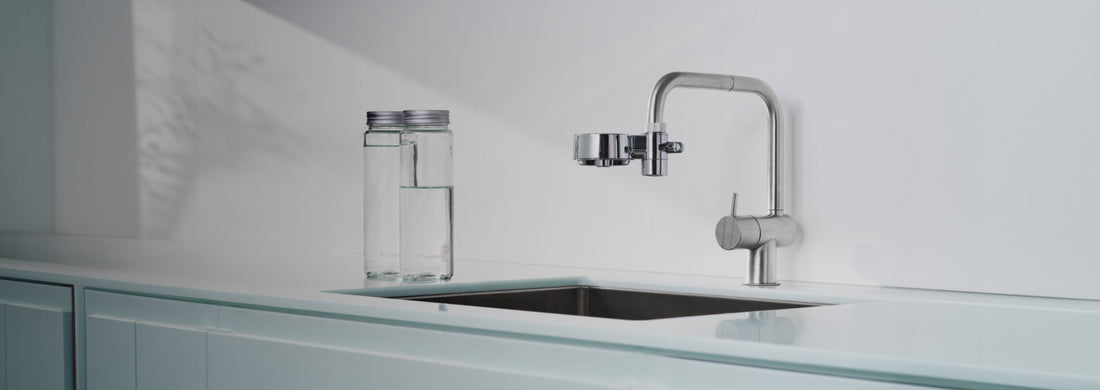
Filter, Don't Buy: Use a high-quality faucet filter to remove microplastics and chemicals directly at the tap. Avoid bottled water for Mum, Dad and Baby.
-
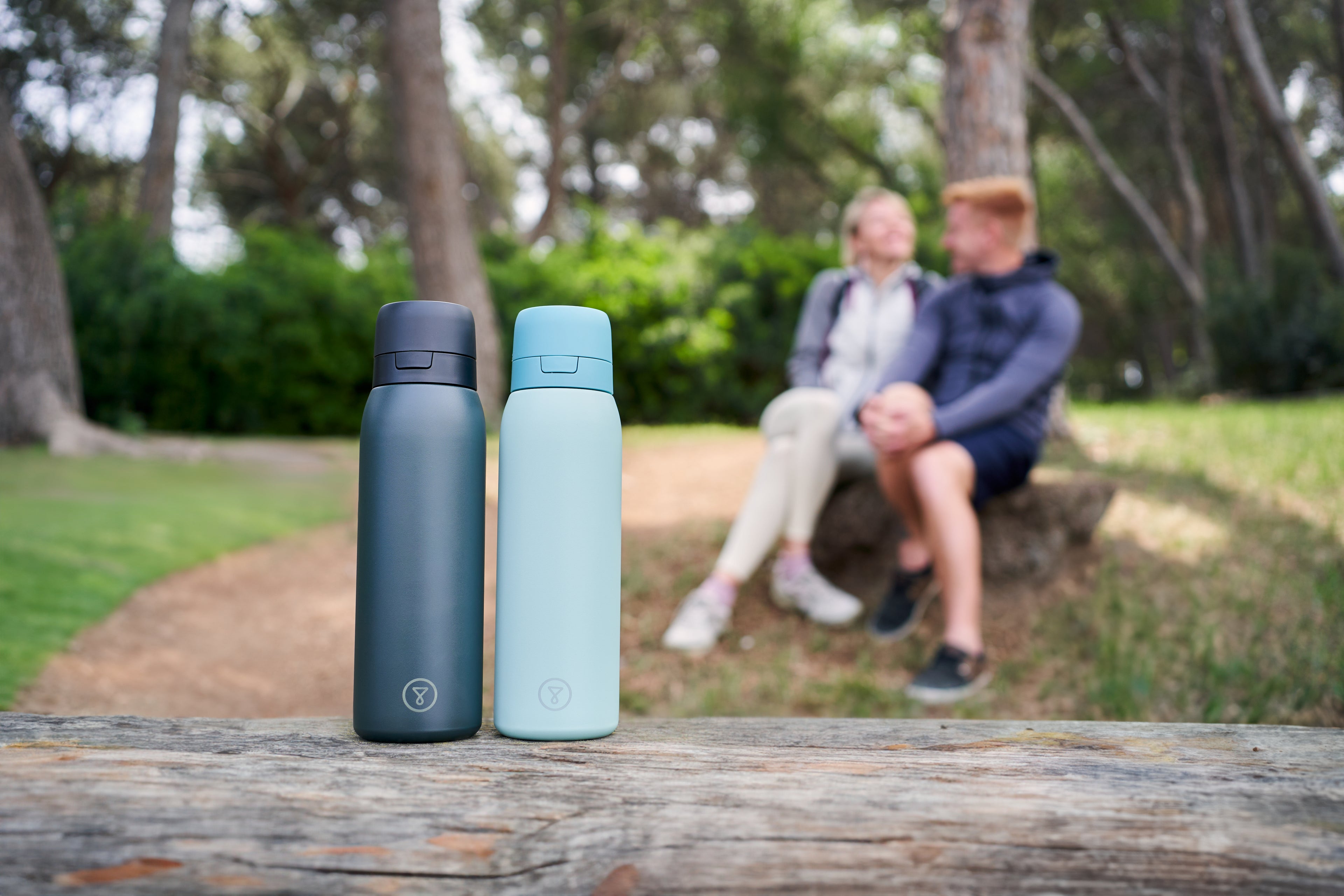
Choose Glass or Steel: Switch your reusable bottles and food containers to non-leaching materials.
-
Avoid Heated Plastic: Never microwave food in plastic containers and ditch plastic tea bags or coffee pods.
As one Tappwater user, J. Caruana, noted regarding the switch:
We have stopped buying bottled water because the filtering makes tap water taste pleasant... The grandkids are loving filling their water bottles from the tap.

Why Filtration Beats Bottled Every Time
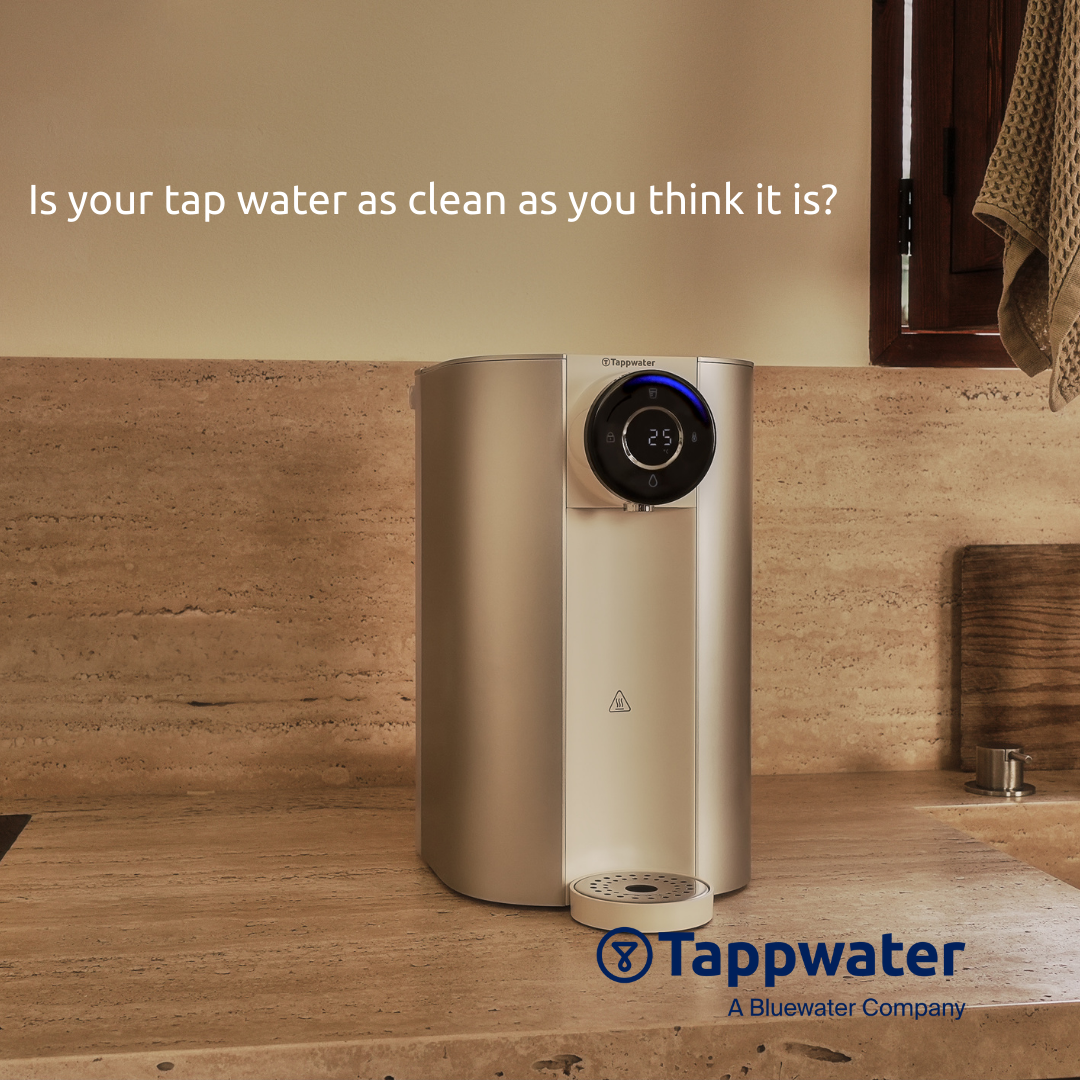
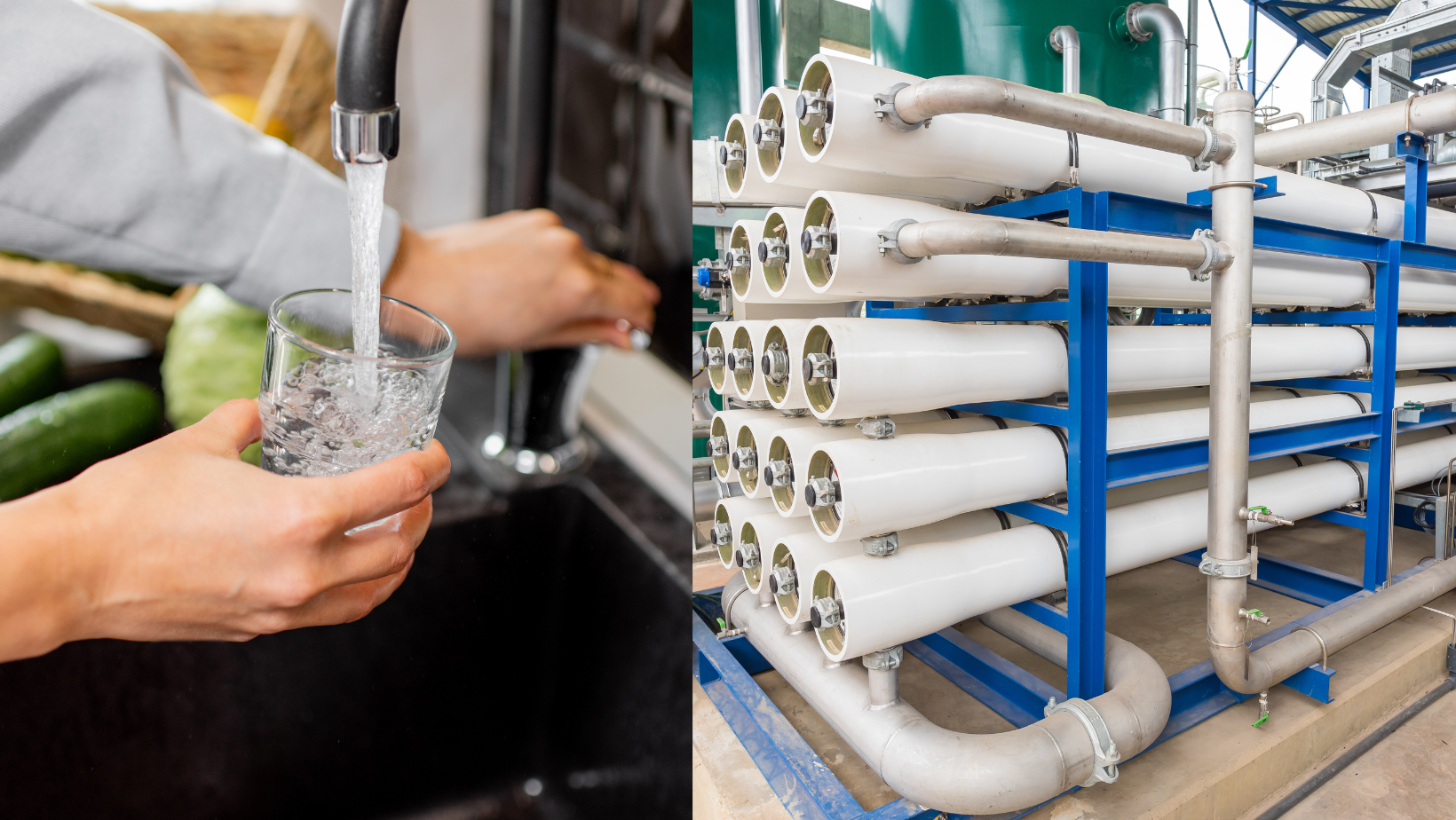
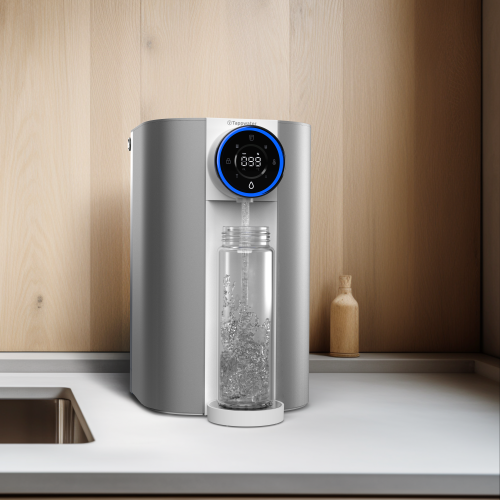
Many Maltese residents buy bottled water thinking it is the "cleaner" choice. However, as the interview experts point out, bottled water is often a primary source of microplastic ingestion. By using a Tappwater EcoPro Chrome SMR filter, you utilize a 6-stage advanced microfiltration system that removes 99% of microplastics and chlorine while keeping the healthy minerals intact.
| Feature | Tappwater | Bottled Water |
| Microplastics | ✔ 99% filtered (Certified) | ✘ High risk of contamination |
| Hormone Disruptors | ✔ 95% filtered (Certified) | ✘ High risk of contamination |
| Convenience | ✔ Easy to fit & use | ✘ Requires heavy lifting |
| Cost | ✔ ~€0.02 per litre | ✘ Hundreds of Euros per year |
Credits to: Reducing Endocrine Disruptors for Better Fertility & Human Health with Shanna Swan & Sian Sutherland
7 FAQs On Malta Infertility and Baby Health
-
What are endocrine disruptors? They are chemicals (like BPA and phthalates) that interfere with the body's endocrine system, potentially causing reproductive and developmental problems.
-
How does plastic affect male fertility? Exposure to EDCs has been linked by experts like Dr. Shanna Swan to lower sperm counts and reduced motility.
-
Why is 90 days the magic number for a detox? This covers the full cycle of sperm production (spermatogenesis), allowing the body to produce a "clean" batch of sperm without chemical interference.
-
Is Malta's tap water safe for a detox? While safe by utility standards, it often contains contaminants from aging pipes in the household. Filtering at the tap ensures these are removed and it tastes far better.
-
Does Tappwater remove the chemicals mentioned in the video? Yes, the activated carbon block in Tappwater filters is highly effective at removing VOCs, chlorine, and microplastics.
-
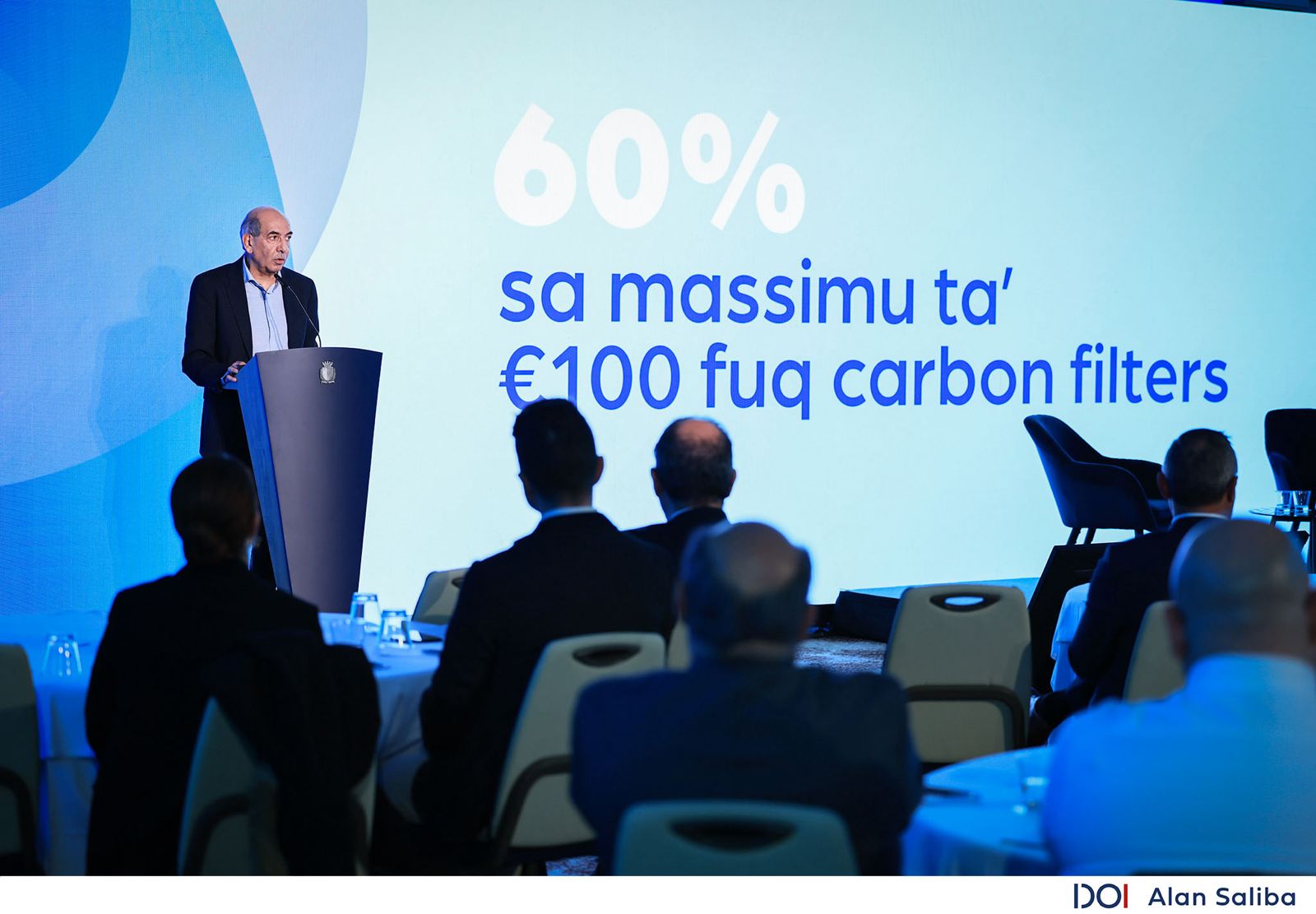
Can I get help with the cost? Yes! Eligible homeowners in Malta can claim a 60% government grant on Tappwater faucet filters.
-
What is the "The Plastic Detox" documentary? It is a new film produced byDr Shanna Swan that follows couples as they reduce their plastic exposure to improve their health and fertility.


![[WATCH] Tappwater Tales #1: The importance of water quality for horses in Malta](http://tappwater.mt/cdn/shop/articles/20260804.BalanceEQ_a4a7d1fe-e264-409a-b1ca-9410c7aadefc.png?v=1785829811&width=1080)



![[WATCH] Malta's Tap Water Challenge: The Tappwater Solution. A Look at the Science, the Tests, and the Deliciously Clean Results.](http://tappwater.mt/cdn/shop/articles/Why_We_lab_tested_maltas_water_Sqaure.png?v=1756738451&width=1080)

0 comments