

Recent global health data has identified a direct correlation between common plastic additives and nearly two million premature births annually, prompting a serious re-evaluation of how we consume water and manage plastic in our homes.
Summary:
This article is designed for residents in Malta who wish to understand the 2026 research regarding phthalates and neonatal health. It provides a factual overview of how these chemicals enter the body and offers a comprehensive guide on reducing plastic reliance in daily life, from water consumption to food storage and personal care.
Key Points:
- 2026 Research Findings: Phthalates are linked to approximately 1.97 million preterm births and 74,000 newborn deaths globally in a single year.
- The Mechanism of Leaching: Phthalates are plasticizers that are not chemically bound to the material, making them prone to migrating into water and food.
- The Climate Factor: High temperatures, common in the Maltese climate, accelerate the release of toxins from plastic containers.
- Household Mitigation: Strategies including glass storage, solid cosmetics, and point-of-use water filtration can significantly lower chemical body burden.
Contents
An Analysis of the 2026 NYU Langone Health Study
In March 2026, a comprehensive study published in the journal eClinicalMedicine provided a global estimate of the health costs associated with phthalate exposure. Researchers from NYU Langone Health determined that di-2-ethylhexylphthalate (DEHP) and its common chemical replacements are major contributors to the global preterm birth crisis.
The data indicates that exposure to these chemicals accounted for over 8% of all preterm births worldwide in the study period. Preterm birth—defined as any birth before 37 weeks of pregnancy—is a leading cause of infant mortality and long-term developmental complications. The study emphasizes that even "replacement" chemicals used in products labeled as alternatives to traditional plastics often carry similar reproductive and developmental risks.
You can access the full research findings here: eClinicalMedicine: Preterm birth attributable to exposure to chemicals used in plastic materials.
The Role of Phthalates in Plastic Manufacturing
Phthalates are a group of synthetic chemicals primarily used as plasticizers. Their function is to increase the flexibility, transparency, and durability of plastics, particularly Polyvinyl Chloride (PVC).
From a technical standpoint, phthalates do not form a covalent bond with the plastic polymer. Instead, they are physically dispersed within the plastic matrix. Because they are not chemically "locked" in place, they are highly prone to leaching or migration. This process occurs when the chemicals escape the plastic and dissolve into the liquids or foods they contain.
In the context of the Maltese climate, this risk is heightened. Heat is a primary catalyst for chemical migration; bottled water stored in warehouses or transported in non-refrigerated vehicles under the Mediterranean sun is subject to higher rates of phthalate leaching than water kept in temperature-controlled environments.
Comprehensive Strategies for Reducing Plastic in the Home in Malta
While the prevalence of plastics makes total avoidance difficult, several evidence-based changes can significantly reduce your family's exposure to phthalates and other endocrine disruptors.
Food Storage and Preparation
- Eliminate Microwaving in Plastic: Heat accelerates the migration of phthalates. Never microwave food in plastic containers or covered with plastic film. Instead, use ceramic or tempered glass containers.
- Transition to Glass and Stainless Steel: Replace plastic food storage containers with glass alternatives. Glass is inert, meaning it does not react with food or leach chemicals, regardless of temperature.
- Avert Plastic Food Wraps: Use beeswax wraps or silicone lids as an alternative to single-use plastic film, especially for high-fat foods (like cheese or meat) which absorb phthalates more readily.
Water Consumption
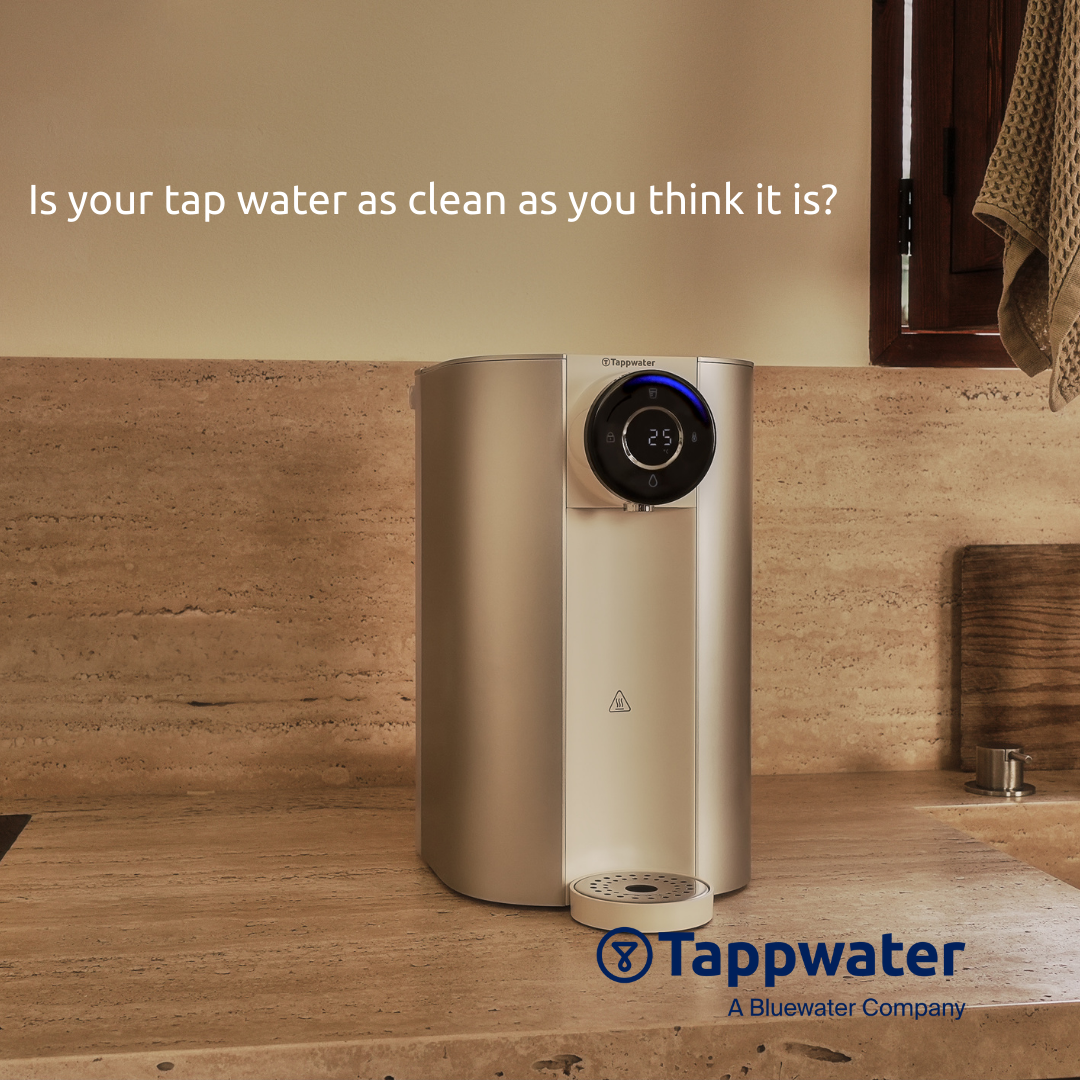
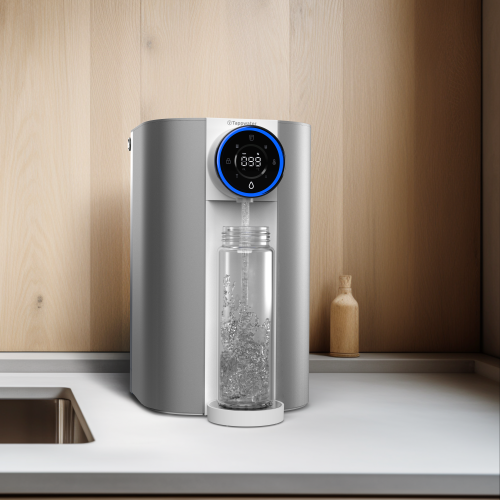
The most effective way to reduce the ingestion of phthalates is to eliminate the primary source of exposure: single-use plastic bottles. For households in Malta, transitioning to a point-of-use filtration system allows for the consumption of water that has not been stored in plastic for extended periods.
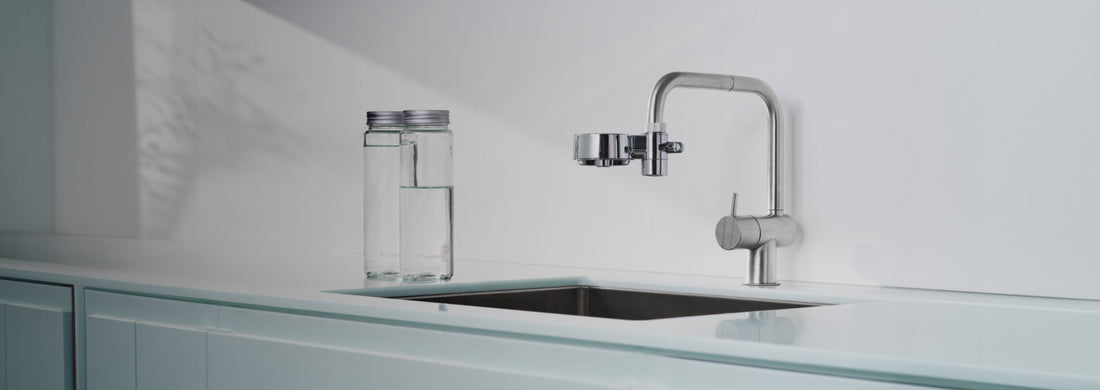
Tappwater’s filtration systems, such as the EcoPro Chrome SMR, utilize a high-density Activated Carbon Block. This technology is independently laboratory-tested to remove 99% of several major contaminant groups, including VOCs (Volatile Organic Compounds), the chemical family to which many plasticizers belong.
Personal Care and Cleaning
- Cosmetics and Hygiene: Phthalates are often used to carry fragrances in shampoos, lotions, and liquid soaps. Look for products explicitly labeled "Phthalate-Free" or "Fragrance-Free."
- Solid Alternatives: Transitioning to solid shampoo bars and soap blocks significantly reduces the need for plastic bottled packaging in the bathroom.
- Washing Up: Use natural fiber brushes (such as wood and sisal) rather than plastic sponges, which shed microplastics into the water system during use.
Verified User Experience
Maltese residents who have transitioned from bottled water to Tappwater filtration report high satisfaction with both the safety and the quality of their water:
"Fitting the apparatus can be easily done by a person who is willing to try a bit of DIY. Once it's in place, it's extremely easy to use. We have stopped buying bottled water because the filtering makes tap water taste pleasant." — J. Caruana, Tappwater Customer
"Amazing product, water from it taste great and I highly recommend." — Chiamy, Tappwater Customer
Economic and Safety Incentives in Malta
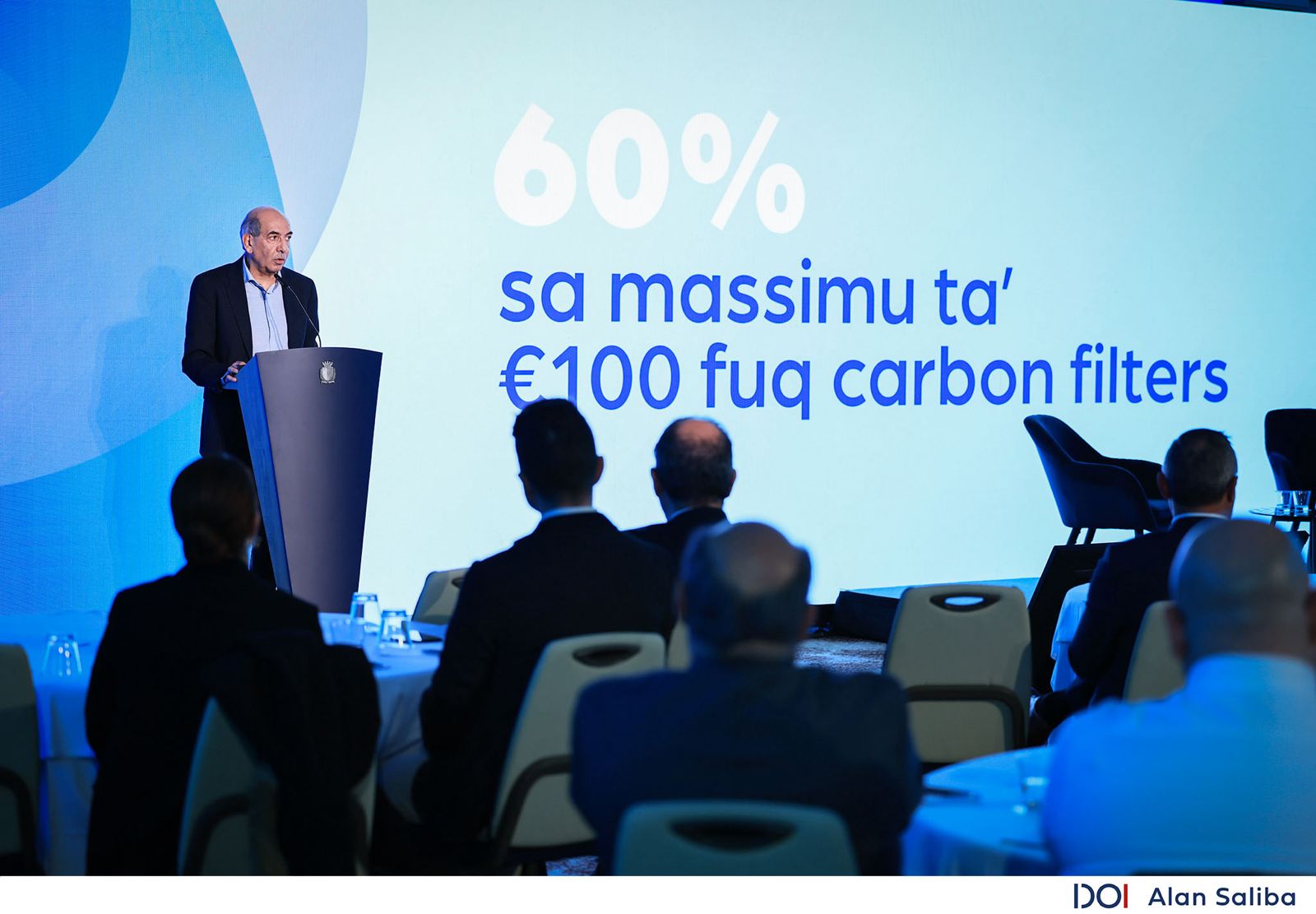
Addressing chemical exposure is a matter of public health, and local infrastructure supports this transition. The Maltese government offers a 60% grant on the purchase of Tappwater Faucet Filters for eligible homeowners, making the removal of plastic from the home a financially viable decision.
With a 45-day taste guarantee, residents can verify the efficacy of the filtration system in their own homes, ensuring that the move away from plastic does not compromise the quality of their daily hydration.
Frequently Asked Questions about phthalates
1. Does boiling tap water remove phthalates?
No. Boiling is effective for biological contaminants like bacteria, but it does not remove phthalates or heavy metals.
2. Why are phthalates considered endocrine disruptors?
Phthalates interfere with the body’s hormonal signalling. In pregnant women, this can lead to complications such as gestational diabetes and preterm labour.
3. Is "BPA-Free" plastic safe from phthalates?
Not necessarily. BPA (Bisphenol A) is used to harden plastics. A bottle can be BPA-free but still contain phthalates used for flexibility.
4. How does activated carbon remove these chemicals?
The carbon block uses adsorption and a physical membrane layer. Because phthalates are organic molecules, they are trapped within the microscopic pores of the carbon as water passes through.
5. Can I use the filtered water for baby formula?
Yes. Removing microplastics, chlorine, and potential plastic leachable chemicals makes filtered tap water a safer choice for preparing infant formula than water stored in plastic.
6. What is the lifespan of a filter refill?
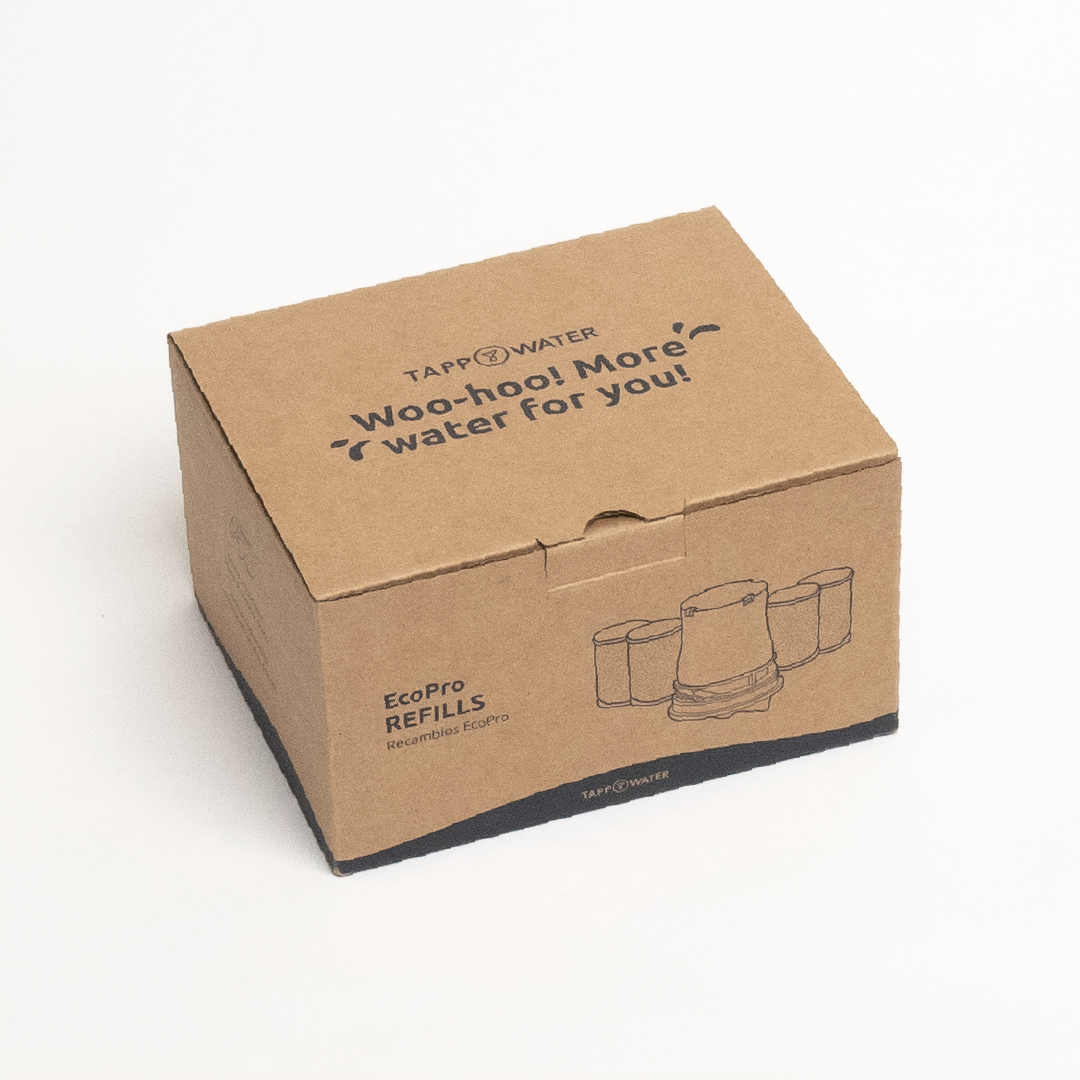
The EcoPro refills are designed for 1,200 litres or 3 months of use. The EcoPro Compact is rated for 300 liters or 2 months.
7. Are Tappwater filters compatible with Maltese plumbing?
Yes. The systems include adapters (22mm/24mm) to ensure compatibility with standard local faucets. A range of 30 different adapters are also stocked for special cases.


![[WATCH] Tappwater Tales #1: The importance of water quality for horses in Malta](http://tappwater.mt/cdn/shop/articles/20260804.BalanceEQ_a4a7d1fe-e264-409a-b1ca-9410c7aadefc.png?v=1785829811&width=1080)



![[WATCH] Malta's Tap Water Challenge: The Tappwater Solution. A Look at the Science, the Tests, and the Deliciously Clean Results.](http://tappwater.mt/cdn/shop/articles/Why_We_lab_tested_maltas_water_Sqaure.png?v=1756738451&width=1080)


0 comments