

What if you could completely refresh your wardrobe, save hundreds of Euros, support local charities, and protect the planet—all in one single afternoon?
SUMMARY:
This article is for eco-conscious residents in Malta who want to embrace a sustainable lifestyle. You will discover how Restyle events are transforming the local fashion scene, the global reality of textile waste, our local shopping culture, and how Tappwater’s new partnership is supporting zero-waste initiatives at the upcoming University of Malta thrift market.
KEY POINTS:
✔ Discover the staggering environmental impact of the global fast fashion industry.
✔ Explore Malta's unique relationship with branded clothing and why a cultural shift is under way.
✔ Learn about the unique "Euro 10 per kilo" shopping experience that keeps fashion affordable and circular.
✔ Find out how Tappwater Malta’s sponsorship aligns zero-waste fashion with zero-waste hydration.
✔ Get all the practical details for the next massive Restyle event on July 4th at the University of Malta.
Contents
- The Crisis in Our Closets: Why Malta is Turning to Circular Fashion
- The Global Footprint: Hard Data on the Fast Fashion Industry
- The Malta Angle: Navigating Our Brand-Conscious Shopping Culture
- What is Restyle? Redefining the Thrift Experience in Malta
- Perfect Alignment: Why Tappwater Supports Sustainable Living
- Event Details: Mark Your Calendar for July 4th at Msida
- Frequently Asked Questions (FAQs)
The Crisis in Our Closets: Why Malta is Turning to Circular Fashion
Open your wardrobe and look inside. How many items haven't seen the light of day in months? Fast fashion has trained us to view clothing as disposable, creating an environmental footprint that our planet—and our small island ecosystem here in Malta—can no longer sustain. Traditional retail relies on a heavy manufacturing cycle that consumes thousands of liters of water and pumps synthetic microfibers directly into our ecosystems.
When those clothes are discarded, they accumulate in landfills or pollute natural habitats. The tide, however, is turning. Just as thousands of Maltese households are re-evaluating their daily relationship with single-use plastics, our community is actively seeking smarter, more responsible ways to dress. Circular fashion isn't just a passing trend; it's a necessary evolution to protect the environment we share.
The Global Footprint: Hard Data on the Fast Fashion Industry
To truly understand the value of second-hand shopping, we have to look at the staggering global data behind modern textile production. The fashion industry is currently responsible for approximately 10% of all global carbon emissions—more than international flights and maritime shipping combined. It is also the second-largest consumer of the world's water supply. Producing just one single standard cotton t-shirt requires roughly 2,700 liters of fresh water, which is enough drinking water for one person for two and a half years.
Furthermore, an estimated 85% of all textiles produced end up in landfills or incinerators every year. Because a massive portion of modern clothing is made from synthetic materials like polyester, nylon, and acrylic, these discarded garments do not biodegrade. Instead, they sit in landfills for hundreds of years, breaking down into harmful microplastics that seep into soil and water networks. Every conscious choice we make to keep a pre-loved garment in circulation completely halts its demand on raw planetary resources, showing that individual micro-adjustments possess immense collective power.
The Malta Angle: Navigating Our Brand-Conscious Shopping Culture
In Malta, shopping habits have historically been deeply intertwined with social representation and a strong preference for high-street, recognizable brands. For generations, dressing well in Malta has often been equated with buying brand-new items from established European and international labels. This cultural emphasis on visible branding has naturally fueled the continuous consumption of new fast-fashion arrivals across local retail outlets.
However, the local mindset is experiencing a profound generational shift. Maltese consumers, particularly Gen Z and Millennials, are beginning to redefine what status and style actually mean. The modern definition of "chic" in Malta is rapidly evolving away from mass-produced retail and moving toward uniqueness, individuality, and environmental responsibility. Choosing pre-loved or vintage clothing is no longer viewed as a compromise; it is celebrated as a conscious badge of honor and a rebellion against the carbon-heavy status quo.

What is Restyle? Redefining the Thrift Experience in Malta
Restyle is a groundbreaking local initiative designed to eliminate textile waste by giving quality garments a second lease on life. Instead of standard thrift shopping, Restyle hosts interactive community markets that treat clothing as a shared, sustainable resource. They source high-quality pre-loved clothing, footwear, and accessories, carefully categorizing them to create an experience that rivals a high-end department store layout.
The standout feature of a Restyle event is its highly accessible pricing framework: clothes are sold at just €10 per kilogram. The weight of your selected items is simply multiplied by 10 to calculate the cost. This makes refreshing your look incredibly budget-friendly while keeping tonnes of usable material out of local landfills. Best of all, Restyle events act as fundraisers for vital community work, ensuring that every Euro spent goes right back into supporting local social causes.

Perfect Alignment: Why Tappwater Supports Sustainable Living
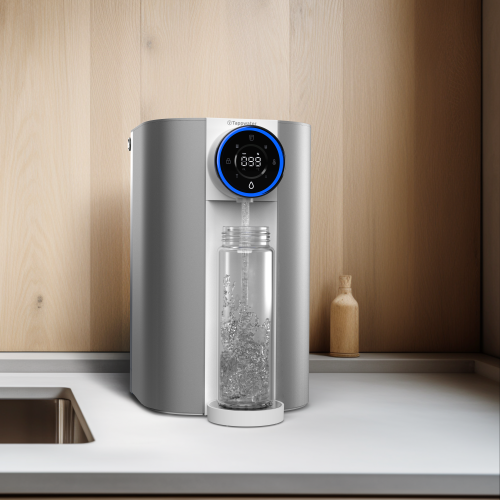
At Tappwater Malta, our core brand philosophy balances three key pillars: Trust, Waste, and Taste. We are committed to fostering environmental responsibility by empowering individuals to make zero-waste living a seamless, everyday reality. Sponsoring Restyle’s year-long calendar of events is a natural extension of these foundational values.
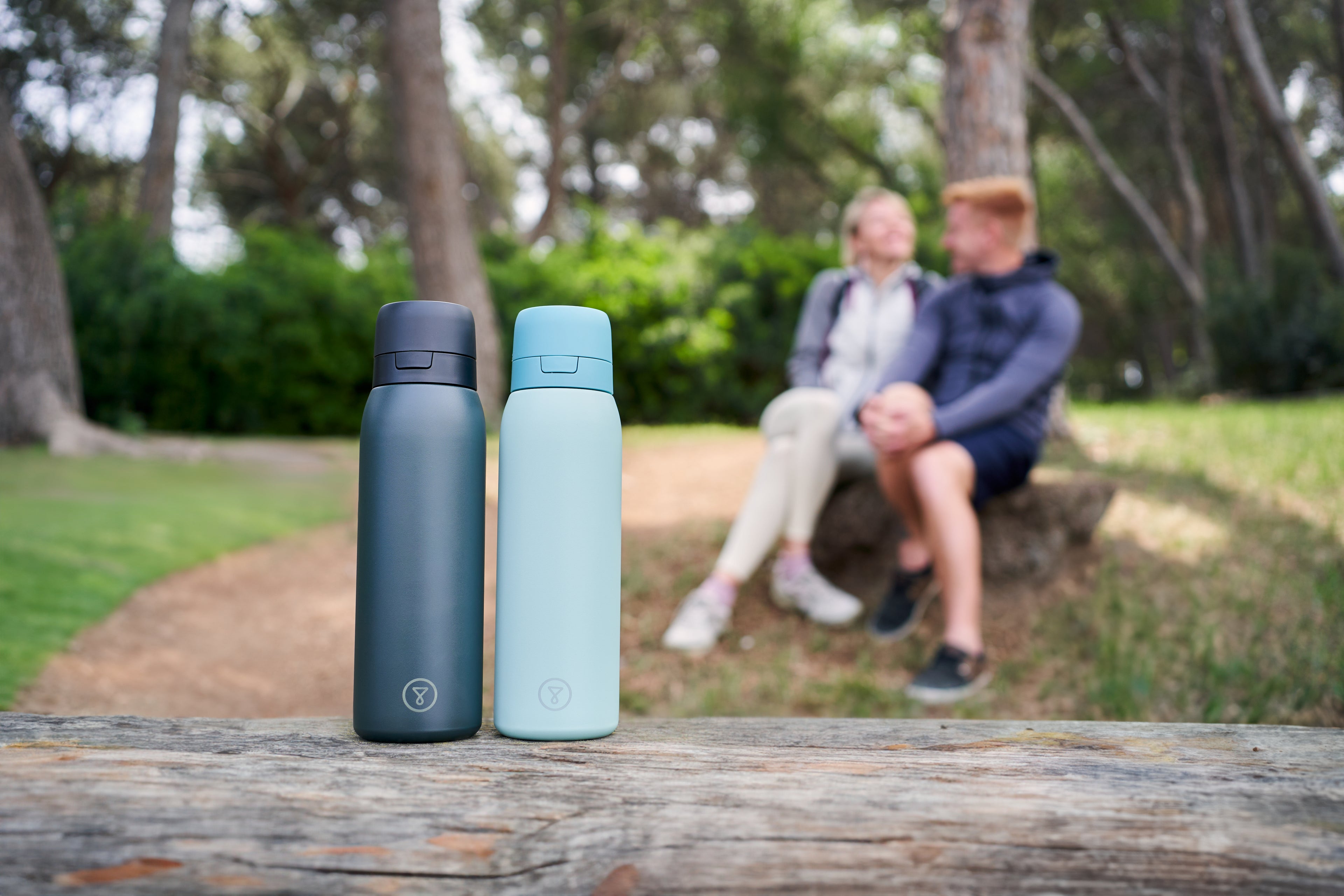
Whether you are seeking ways to completely eliminate single-use plastic waste at home or choosing pre-loved clothing to actively combat the global crisis of fast fashion, you are participating in the exact same movement. Sustainable living is not about a few people doing things perfectly; it is about entire communities embracing accessible, daily choices that collectively reduce our pressure on nature. Local consumers consistently express how liberating it is to step away from waste-heavy loops.
As community member Sarah G beautifully highlighted, the goal is always centered on "making sustainable choices an easy option!" By backing initiatives like Restyle, we aim to make eco-conscious living visible, normal, and deeply rewarding across the Maltese islands.
Event Details: Mark Your Calendar for July 4th at Msida
The next major Restyle event is right around the corner, and it is the perfect opportunity to experience circular fashion firsthand. Here is everything you need to know to plan your visit:
Date: Thursday, 4th July
Location: KSU Common Room, University of Malta (Msida Campus)
Time: 12:00 PM – 6:00 PM (Drop by during your lunch break or after lectures!)
Entrance: Entirely FREE
Pricing: Exactly €10 per kilo (Weight in kg × 10 = Your price)
Beneficiary: All proceeds from this event are dedicated in aid of YMCA Malta, supporting their invaluable shelter and youth services.
To ensure a seamless and organized shopping experience, clothes will be meticulously sorted according to size and gender. You can explore fully dedicated sections including Women, Men, Children, Shoes, Scarves, Bags, and Accessories. It is highly encouraged that everyone attending brings their own reusable shopping bag to keep the event as close to zero-waste as possible, though a limited number of bags will be available on-site for those who need them.
Frequently Asked Questions (FAQs)
1. How does the pricing work at a Restyle weight-based clothing event?
It is incredibly simple. Once you have finished browsing the various sections, you take your selected items to the weighing station. Your clothes are weighed together on a digital scale, and the total weight in kilograms is multiplied by €10. For example, if your total selection weighs 1.5 kilograms, you pay exactly €15.
2. Where do the clothes at Restyle events come from?
The clothing, shoes, and accessories are sourced through curated public donations and community partnerships. Every single piece undergoes a rigorous sorting and quality check to ensure it is clean, wearable, and in excellent condition before it reaches the venue floor.
3. Where do the proceeds from the July 4th event go?
Every single Euro raised from clothing sales at the University of Malta event goes directly in aid of YMCA Malta. YMCA Malta provides critical support services, including homelessness shelters, food programs, counseling, and youth empowerment projects across the islands.
4. Why is fast fashion considered an environmental threat?
Fast fashion relies on rapid production, low-quality synthetic materials, and high consumption rates. This cycle contributes to 10% of global carbon emissions, drains massive quantities of fresh water, and results in millions of tonnes of synthetic clothing entering landfills annually, where they degrade into microplastics.
5. How does buying second-hand help the environment in Malta?
By purchasing pre-loved clothes, you extend the lifespan of existing items and immediately offset the demand for new retail production. This prevents additional textile waste from ending up in our local landfills and drastically reduces the overall carbon and water footprint associated with your wardrobe.
6. Can I find high-quality branded items at thrift markets like Restyle?
Absolutely. Because Malta has a very brand-conscious shopping culture, many items donated or passed along to Restyle are high-quality, branded pieces that have been lightly worn. It is an excellent way to maintain a sharp, stylish aesthetic without contributing to retail waste.
7. How does Tappwater’s sponsorship support this initiative?
Tappwater Malta is proud to provide sponsorship backing to ensure these events can run smoothly and maximize their charitable reach. This collaboration brings together two vital branches of eco-conscious living: reducing textile waste and promoting single-use plastic elimination, encouraging a healthier, zero-waste lifestyle for everyone in Malta.


![[WATCH] Tappwater Tales #1: The importance of water quality for horses in Malta](http://tappwater.mt/cdn/shop/articles/20260804.BalanceEQ_a4a7d1fe-e264-409a-b1ca-9410c7aadefc.png?v=1785829811&width=1080)


![[WATCH] Malta's Tap Water Challenge: The Tappwater Solution. A Look at the Science, the Tests, and the Deliciously Clean Results.](http://tappwater.mt/cdn/shop/articles/Why_We_lab_tested_maltas_water_Sqaure.png?v=1756738451&width=1080)
0 comments